Dog poisoning: signs, first aid and what the vet does
Chocolate off the table, rat poison in the yard, a bait by the path: with poisoning, every hour counts – and doing the right thing is often simpler than you think.
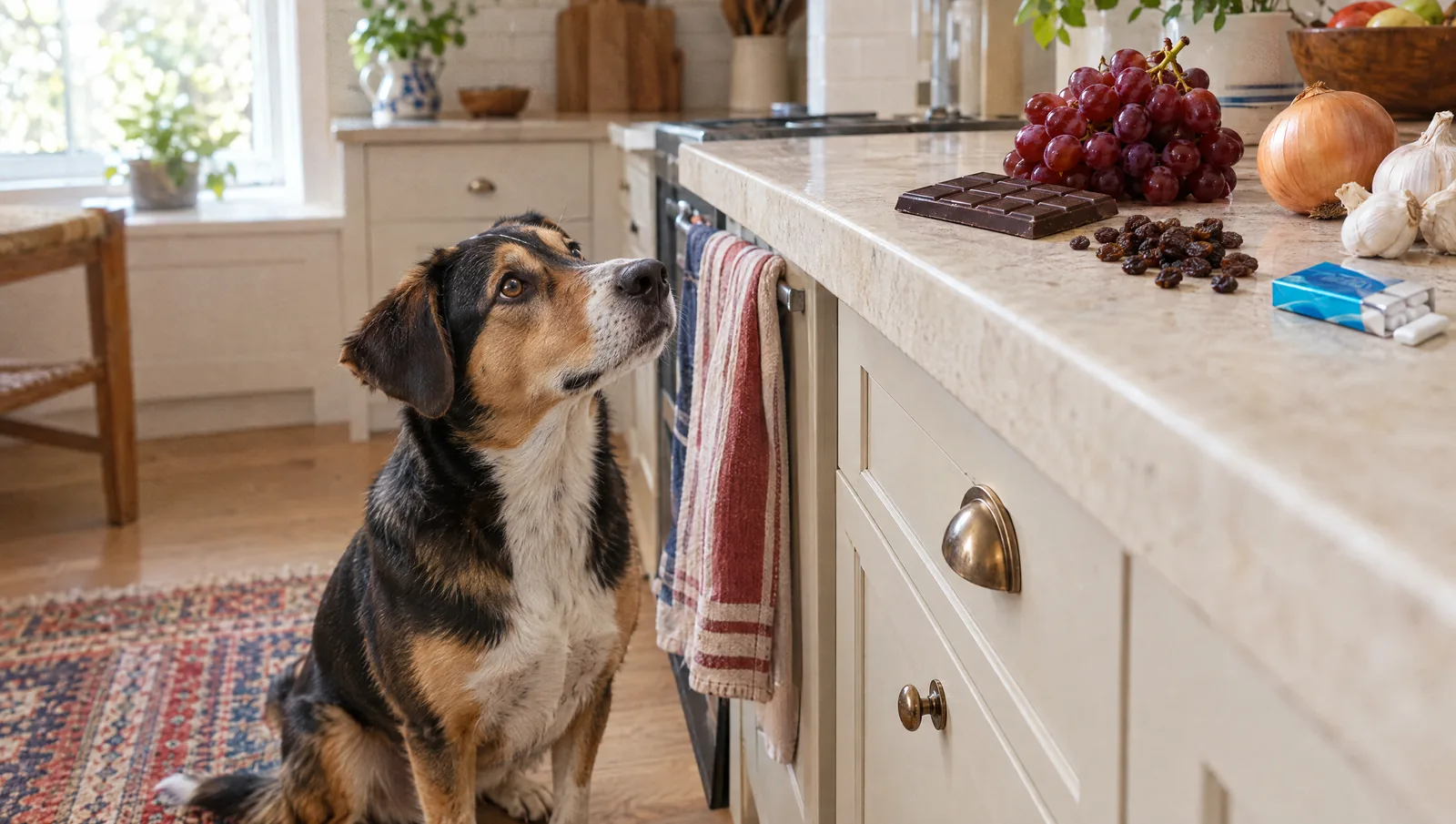
Image: AI-generated for Animal Helper Guide – for illustration.
- A suspicion is enough: go straight to your vet or an animal hospital and call on the way.
- Don't induce vomiting – not with salt, not with hydrogen peroxide. No milk, no home remedies.
- Bring the packaging, leftovers or vomit – they tell the vet what the poison is.
- Rat poison works with a delay: bleeding often only shows after 3–7 days. Don't wait until your pet seems ill.
- Austria has no poison helpline for animals. The Poisons Information Centre only advises on people.
If you think your dog or cat has eaten something poisonous: go straight to your vet or an animal hospital, call on the way and bring the packaging or leftovers with you. Don't try to make your pet vomit. Don't wait for signs to appear – with many poisons they only show up hours or days later, when it may be too late for the simplest treatment.
How can I tell if my dog has been poisoned?
The signs depend on the poison. Common ones are:
- Vomiting, diarrhoea, heavy drooling
- Trembling, restlessness, staggering, seizures
- Weakness, listlessness
- Pale gums, bleeding from the nose or mouth, or blood in the urine (typical of rat poison)
- A fast or irregular heartbeat
What really matters is when the signs appear – because that varies hugely:
| Poison | First signs typically after … |
|---|---|
| Xylitol (birch sugar, sugar-free chewing gum) | about 30 minutes – low blood sugar with vomiting, weakness, seizures |
| Chocolate, cocoa | 6–12 hours |
| Grapes, raisins | vomiting after 6–12 hours, kidney failure after 1–3 days |
| Macadamia nuts | within 12 hours |
| Onion, garlic | a few days – anaemia |
| Rat poison (anticoagulants) | bleeding usually after 3–7 days |
What should I do right away?
- Take away anything that's left, and put the packaging, leftovers, plant parts or vomit in a sealed bag.
- Call your vet or the emergency clinic – tell them what your pet ate, how much and when, and how much your pet weighs.
- Set off straight away. Even if your pet still seems perfectly fine.
Whatever you do, don't
- Make your pet vomit yourself – not with salt water, not with hydrogen peroxide. The MSD Veterinary Manual explicitly advises vets not to let owners do this at home: it risks chemical burns, choking on vomit, pneumonia and circulatory collapse.
- Give milk, oil or home remedies.
- Give medication or charcoal tablets without your vet's instructions.
- Wait "to see if anything happens".
No animal poison helpline in Austria
The Poisons Information Centre (Vergiftungsinformationszentrale, 01 406 43 43) is for people. If your pet has been poisoned, the right place to call is your vet or the emergency vet service. Open around the clock: the animal hospital of the University of Veterinary Medicine Vienna (Tierspital der Vetmeduni Wien), 01 25077-5555. All other numbers: emergency directory.
What does the vet do?
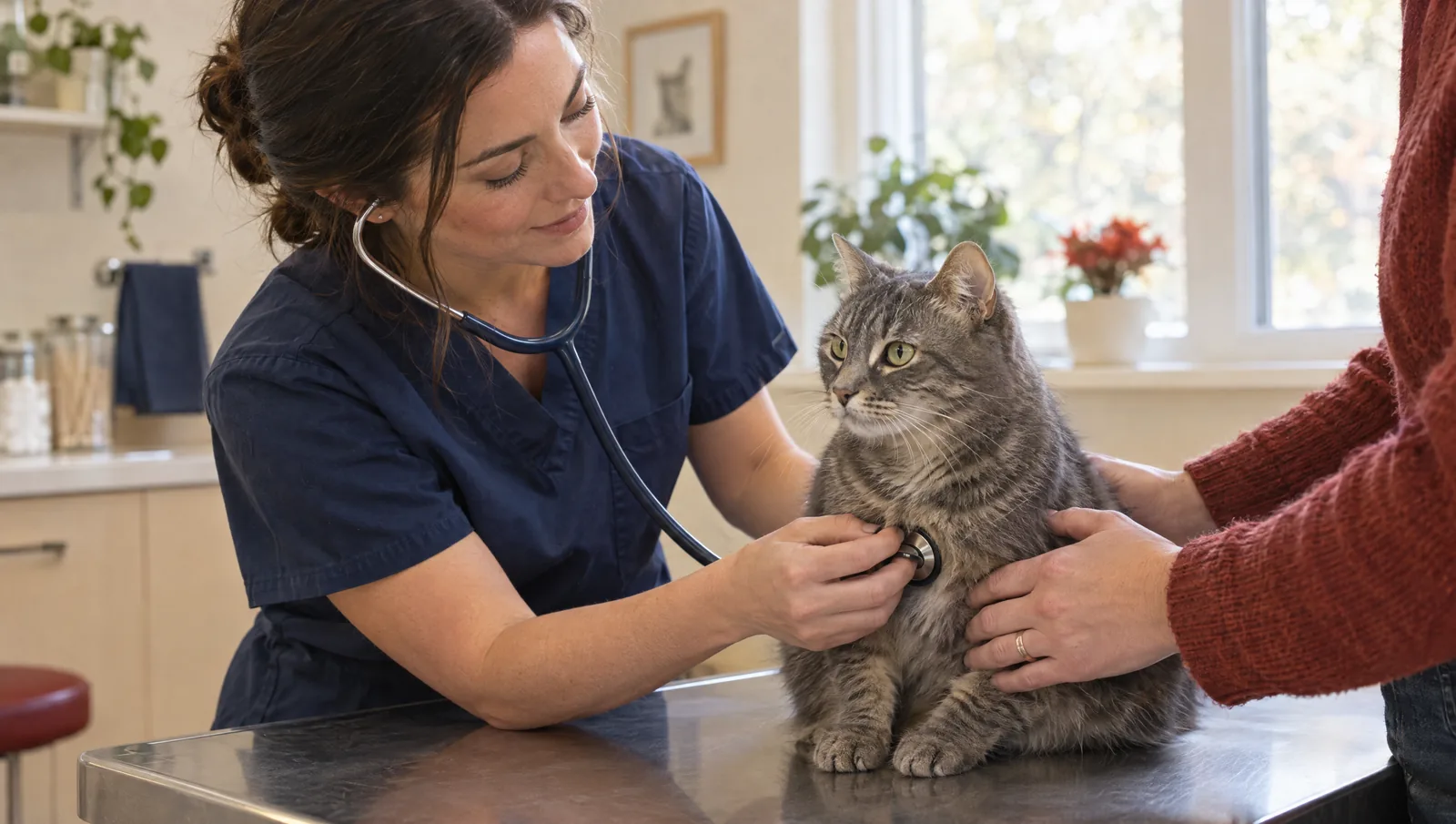
That depends on the poison, the amount and how long ago your pet swallowed it – which is exactly why the packaging and your information are so valuable. With some poisons, the vet can induce vomiting in a controlled way at the practice; for others there's an antidote. For classic rat poison, for example, that's vitamin K1, which often has to be given for 2 to 4 weeks, with blood tests along the way. According to the MSD Veterinary Manual, acting early gives the best chance.
Foods that are toxic to dogs and cats
Many poisonings happen in the kitchen. The most common dangers at a glance:
Toxic for dogs and cats
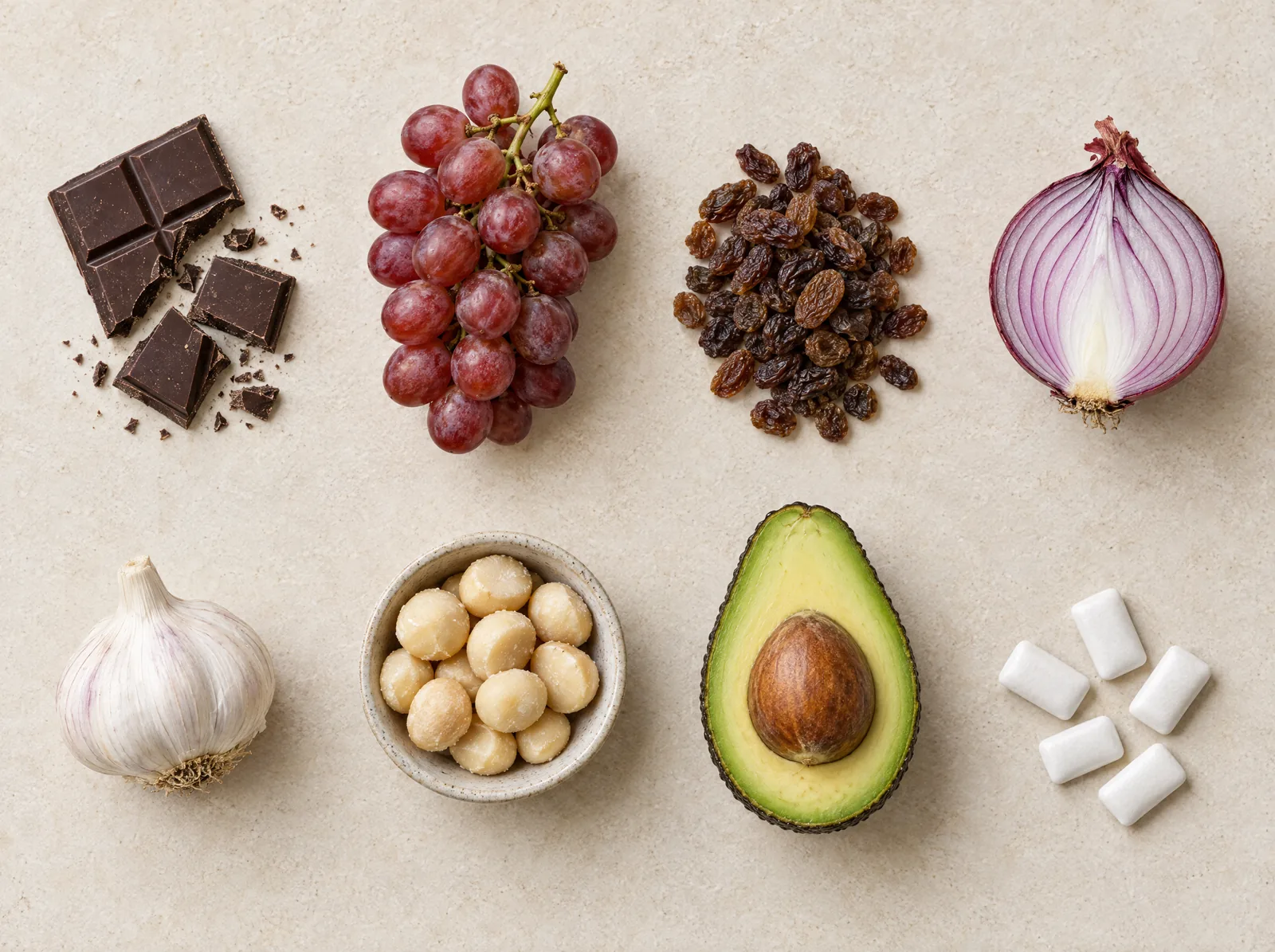 12345678
More dangers from the kitchen and around the home:
| What | Why it's dangerous | How dangerous |
|---|---|---|
| Alcohol | Vomiting, staggering, breathing problems, trembling, coma | high |
| Raw yeast dough | Ferments in the stomach: gas and bloating, which can lead to a twisted stomach (GDV), plus alcohol | high |
| Coffee, tea, energy drinks | Caffeine: restlessness, heart rhythm problems, seizures | high |
| Large amounts of salt | Thirst, vomiting, trembling, seizures | medium to high |
| Raw pork, wild boar | Aujeszky's disease virus – always fatal for dogs and cats; in Austria it circulates in wild boar | never feed raw |
| Cow's milk | Many animals can't digest lactose: diarrhoea | low, but unnecessary |
What your pet needs instead is explained in our guide How to feed dogs and cats.
Rat poison: the hidden danger
Most rat poisons stop the blood from clotting. The treacherous part: your pet seems healthy for days. According to the MSD Veterinary Manual, bleeding typically only shows 3 to 7 days after the poison was eaten – as anaemia, weakness, fast breathing, blood in the urine, bleeding from the nose or gut, or bruising.
- If you saw your dog eat bait, or you find chewed bait boxes: go to the vet straight away, don't wait for signs.
- Cats are at risk too – if they eat mice or rats that have taken poison. Experts call this secondary poisoning.
- Other rodenticides work differently: cholecalciferol (vitamin D) damages the kidneys, with signs usually after 18–36 hours; bromethalin attacks the nervous system.
Cat poisoned: what to watch out for
With some poisons, cats are even more sensitive than dogs:
- Lilies are life-threatening for cats. Just a little pollen on the fur or water from the vase can cause acute kidney failure. The first signs – drooling, loss of appetite, lethargy – appear after 1–3 hours. The safest option: no lilies in the house.
- Never give a cat paracetamol. Cats can barely break it down; even small amounts cause brown gums, breathing difficulties, a swollen face and paws, and liver damage.
- Onion and garlic: in cats, poisoning has been described after less than a teaspoon of cooked onion.
Prevention is the best first aid
- Keep chocolate, chewing gum, grapes and medication in closed cupboards.
- Use a bin with a lid.
- No lilies in homes with cats.
- Rat poison only in secure bait boxes – and ask your neighbours whether they put any down.
Found a poisoned bait – what now?
Sadly, people keep putting out baits laced with poison. Here's what to do:
- Don't touch it, and keep dogs away.
- Take photos – with the place, date and time.
- Inform the police (133). Laying poisoned baits can be a criminal offence.
- If your pet has eaten any of it: go to the vet straight away, bringing the photo and, if possible, any leftovers.
Where else you can report animal cruelty is listed in the emergency directory under "Authorities / animal cruelty".
Frequently asked questions
Will charcoal tablets help if my dog has eaten something poisonous?
Not on your own initiative. Veterinary first aid lists only include activated charcoal with the note ‘as directed’. Whether it helps with the poison in question, and how much to give, is for the vet to decide – call before you give anything.
How much chocolate is dangerous for dogs?
It depends on the type and on your dog's weight: the darker the chocolate, the more theobromine – cocoa powder and baking chocolate are the most dangerous. Don't do the maths yourself: any amount is a reason to call the vet. With the type, amount and weight, they can judge whether treatment is needed.
How quickly do signs of poisoning appear?
It varies a lot: xylitol can cause low blood sugar within 30 minutes, chocolate usually after 6–12 hours, onions only after days – and rat poison often only after 3–7 days. So the rule is: don't wait for signs.
My dog ate a grape – is that bad?
Possibly, yes. Grapes and raisins can cause acute kidney failure in dogs, and there is no safe amount. Call your vet straight away.
Who can help in Austria if my pet has been poisoned?
Your vet or the nearest emergency vet service. Austria has no dedicated poison helpline for animals. The animal hospital of the University of Veterinary Medicine Vienna (Tierspital der Vetmeduni Wien) is open around the clock (01 25077-5555); more numbers are in the emergency directory.
I've found a poisoned bait. What should I do?
Don't touch it, keep dogs away, take photos showing the place and time, and inform the police (133). If an animal has eaten any of it: go to the vet straight away.
Sources
- AVMA – Pet First Aid (brochure 2025)
- MSD/Merck Veterinary Manual – First Aid and Transport of Small Animals
- MSD/Merck Veterinary Manual – Food Hazards
- MSD/Merck Veterinary Manual – Chocolate Toxicosis in Animals
- MSD/Merck Veterinary Manual – Grape, Raisin and Tamarind Toxicosis in Dogs
- MSD/Merck Veterinary Manual – Garlic and Onion Toxicosis in Animals
- MSD/Merck Veterinary Manual – Anticoagulant Rodenticide Poisoning in Animals
- MSD/Merck Veterinary Manual – Rodenticide Poisoning (information for owners)
- MSD/Merck Veterinary Manual – Houseplants and Ornamentals Toxic to Animals
- MSD/Merck Veterinary Manual – Toxicoses From Human Analgesics
- ASPCA Animal Poison Control – People Foods to Avoid Feeding Your Pets
- AGES – Aujeszky's disease (in German)
- Poisons Information Centre (Vergiftungsinformationszentrale, VIZ), Gesundheit Österreich GmbH (in German)