How to feed dogs and cats: what your pet really needs
Good food doesn't have to be complicated or expensive. What matters, how to tell your pet is the right weight – and why a starving stray mustn't be given a big feast.
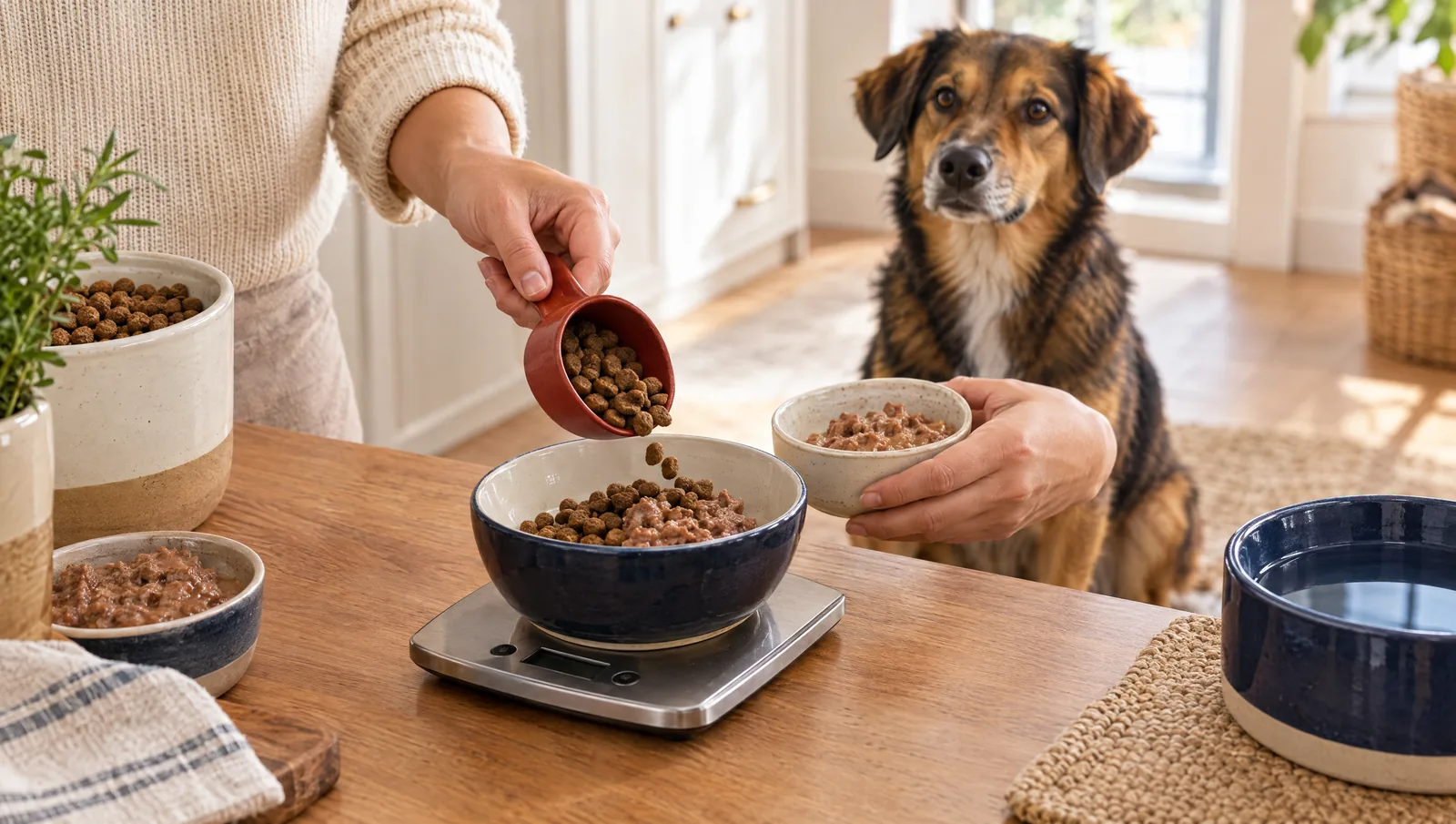
Image: AI-generated for Animal Helper Guide – for illustration.
- Complete food covers the whole daily requirement – complementary food only does so together with other food. The label tells you which it is.
- Water: as a guide, around 44–66 ml per kg of body weight per day, including water from food. Fresh water must always be available.
- Ideal weight: 4–5 out of 9 points – ribs easy to feel, waist visible.
- Switch food gradually over at least a week.
- Cats are strict carnivores and need taurine. A starving animal only gets small portions – and must see a vet.
The most important rule is simple: a nutritionally complete food in the right amount, fresh water at all times – and an eye on the weight. Everything else – type, brand, wet or dry – is secondary, as long as your pet is healthy, looks good and stays at its ideal weight.
Complete or complementary food? A look at the label
EU feed law distinguishes between two types:
- Complete food covers the entire daily requirement on its own. That's what your pet needs every day as its main meal.
- Complementary food only covers the requirement together with other food – many treats, toppers and some wet foods fall into this category.
How to read the label
If it says "complete feed for …" – on German-language packaging "Alleinfuttermittel für …" – you can feed it on its own. If it says "complementary feed" (Ergänzungsfuttermittel), it's a side dish. The feeding guide on the pack is a starting point – your pet's weight shows you the right amount.
How much water does my pet need?
As a guide, the MSD Veterinary Manual gives around 44–66 ml per kilogram of body weight per day – at normal temperatures, and water from food counts too. So a 10 kg dog needs around half a litre, or more in hot weather, with lots of exercise or on dry food.
Fresh water must always be available. Cats who eat a lot of wet food often drink little from the bowl – that's normal, as long as they're lively and passing urine normally.
Ideal weight: the Body Condition Score
The scales alone don't tell you much. Vets assess body condition with the Body Condition Score (BCS) from the World Small Animal Veterinary Association (WSAVA), on a scale of 1 to 9:
| Score | What you feel and see | What it means |
|---|---|---|
| 1–3 | Ribs, spine and hip bones visible | too thin – see a vet |
| 4–5 | Ribs easy to feel, with a thin covering of fat; waist visible from above, belly tucked up when seen from the side | ideal |
| 6 | Ribs can be felt, but with slightly too much fat | slightly overweight |
| 7 | Ribs hard to feel, fat pads over the lower back and base of the tail | overweight |
| 8–9 | Ribs can't be felt, no waist, round belly | severely overweight – see a vet |
The rib test
Place both hands flat on the sides of your pet's chest and gently stroke over the ribs. If you can feel them easily under a thin layer, all is well. If you have to search and press, there's too much – ask about a feeding plan at your next vet visit.
Switching food – without tummy upsets
A sudden change of food upsets many animals' stomachs. The nutrition experts at Tufts University recommend mixing more and more of the new food into the old one, step by step, over at least a week:
Switching food in 7 days
If the stools get soft, stay at the current stage for a day or two longer. Some sensitive animals need four to six weeks.
Puppies, kittens and seniors
- Puppies get 3 meals a day until they're 6 months old, then 2 until their first birthday.
- Large breeds need a dedicated large-breed puppy food. Too much calcium harms the growing skeleton – adding extra calcium, phosphorus or vitamin D to a complete food is rarely necessary and can do harm.
- Kittens move on to adult food at 8–12 months.
- Seniors: there's no official nutrient standard specifically for older animals. Older dogs may need more protein, and elderly cats digest fat less well. Regular weight and health checks matter more than a "senior" label.
Cats are strict carnivores
Cats have special needs: they have to get taurine from their food – plant proteins contain none. Without it, they risk heart muscle disease and damage to the retina. Cats also need preformed vitamin A and arachidonic acid.
Since taurine has been added to cat food, the heart disease has become rare – but it still occurs with home-made diets.
Vegan diets for cats
The British Veterinary Association (BVA) clearly advises against them. A larger survey study (Knight et al. 2023) found no worse health in vegan-fed cats – but it relies solely on what owners reported, not on veterinary findings. Robust long-term studies are lacking. If you try it anyway, you absolutely need a nutritionally complete food and regular blood tests.
BARF and raw feeding: what you should know
Raw feeding is popular, but it comes with two well-documented risks:
- Unbalanced diets: a study by LMU Munich (Dillitzer et al. 2011) found at least one significant imbalance in 60% of 95 BARF diets. Calcium, iodine, copper, zinc and vitamin A were often lacking.
- Bacteria: in 35 commercial frozen raw food products, researchers at Utrecht University (van Bree et al. 2018) found ESBL-producing E. coli in 80%, Listeria in 54% and Salmonella in 20% of samples – a risk for children and older people in the household, too.
Never raw
Raw pork and wild boar can transmit the virus that causes Aujeszky's disease. In dogs and cats, the disease is always fatal. In Austria, the virus has been eradicated in domestic pigs but still circulates in wild boar – according to AGES, the Austrian Agency for Health and Food Safety, around one in ten animals tested in 2024 carried markers of infection.
Which foods from your kitchen are dangerous – chocolate, grapes, onions, xylitol – is shown in the overview in our guide Dog poisoning: signs and first aid.
Feeding a starving stray: slowly!
If you find a starving street animal, your first instinct is to fill it up. That's exactly what can be dangerous: in refeeding syndrome, fluids and minerals shift in the body when food arrives again after a long period of starvation – typically causing a dangerous phosphate deficiency, usually in the first five days.
- Only offer small portions of water and easily digestible food.
- No cow's milk.
- Take the animal to a vet as soon as possible. There, the amount of food is increased over several days and monitored with blood tests.
Want to help animals that nobody feeds? With Save Our Animals, you support helpers in Romania, Bulgaria, Hungary and Türkiye – with food, vet care and neutering.
Frequently asked questions
What's the difference between complete and complementary food?
A complete food (on German labels: Alleinfuttermittel) covers the entire daily requirement on its own. A complementary food (Ergänzungsfuttermittel) – such as some snacks or mixes – only covers it together with other food. This is set out in EU feed regulation 767/2009; the term is printed on the packaging.
How much should my dog drink?
As a guide, at normal temperatures, around 44–66 ml per kilogram of body weight per day – water from food counts too. So a 10 kg dog needs around half a litre. More in hot weather, with exercise and on dry food.
How can I tell if my pet is overweight?
With the WSAVA Body Condition Score (1–9). Ideal is 4–5: the ribs are easy to feel under only a thin layer of fat, and a waist is visible from above. From 7 upwards, the ribs are hard to feel and there are fat pads.
Can my cat drink milk?
Better not. Many cats can't digest milk sugar (lactose) and get diarrhoea. Fresh water is the best drink.
Can I feed my cat a vegan diet?
The major veterinary associations advise against it: cats are strict carnivores and need taurine and preformed vitamin A, among other things. A survey study (Knight 2023) found no worse health, but it relies solely on what owners reported. If you do it anyway, you need a nutritionally complete food and regular vet check-ups.
Is raw feeding (BARF) healthier?
Not automatically. In a study by LMU Munich, 60% of 95 BARF diets were unbalanced. In commercial raw food, researchers in Utrecht frequently found bacteria such as ESBL-producing E. coli, Listeria and Salmonella – a risk for the people in the household too. If you want to feed raw, have the diet calculated by a vet.
Sources
- Tufts Petfoodology – How do I switch my pet’s food?
- Regulation (EC) No 767/2009 on the placing on the market and use of feed
- FEDIAF – Code of Good Labelling Practice for Pet Food
- MSD/Merck Veterinary Manual – Nutritional Requirements of Small Animals
- MSD/Merck Veterinary Manual – Feeding Practices in Small Animals
- WSAVA – Body Condition Score, dogs
- WSAVA – Body Condition Score, cats
- BVA – Should dogs and cats be fed a vegan diet? (22.10.2021)
- Knight A et al. (2023): Vegan versus meat-based cat food, PLOS ONE
- Dillitzer N, Becker N, Kienzle E (2011): BARF diets, British Journal of Nutrition
- van Bree FPJ et al. (2018): Zoonotic bacteria and parasites in raw meat-based diets, Veterinary Record
- Cornell Feline Health Center – Feeding Your Cat
- MSPCA-Angell – Refeeding Syndrome
- AGES – Aujeszky's disease (in German)