Pet first aid for dogs and cats: what to do in an emergency
In an emergency, minutes count – and so does a clear head. Here's what you can do until you reach the vet, what's best left alone, and how to tell when it really can't wait.
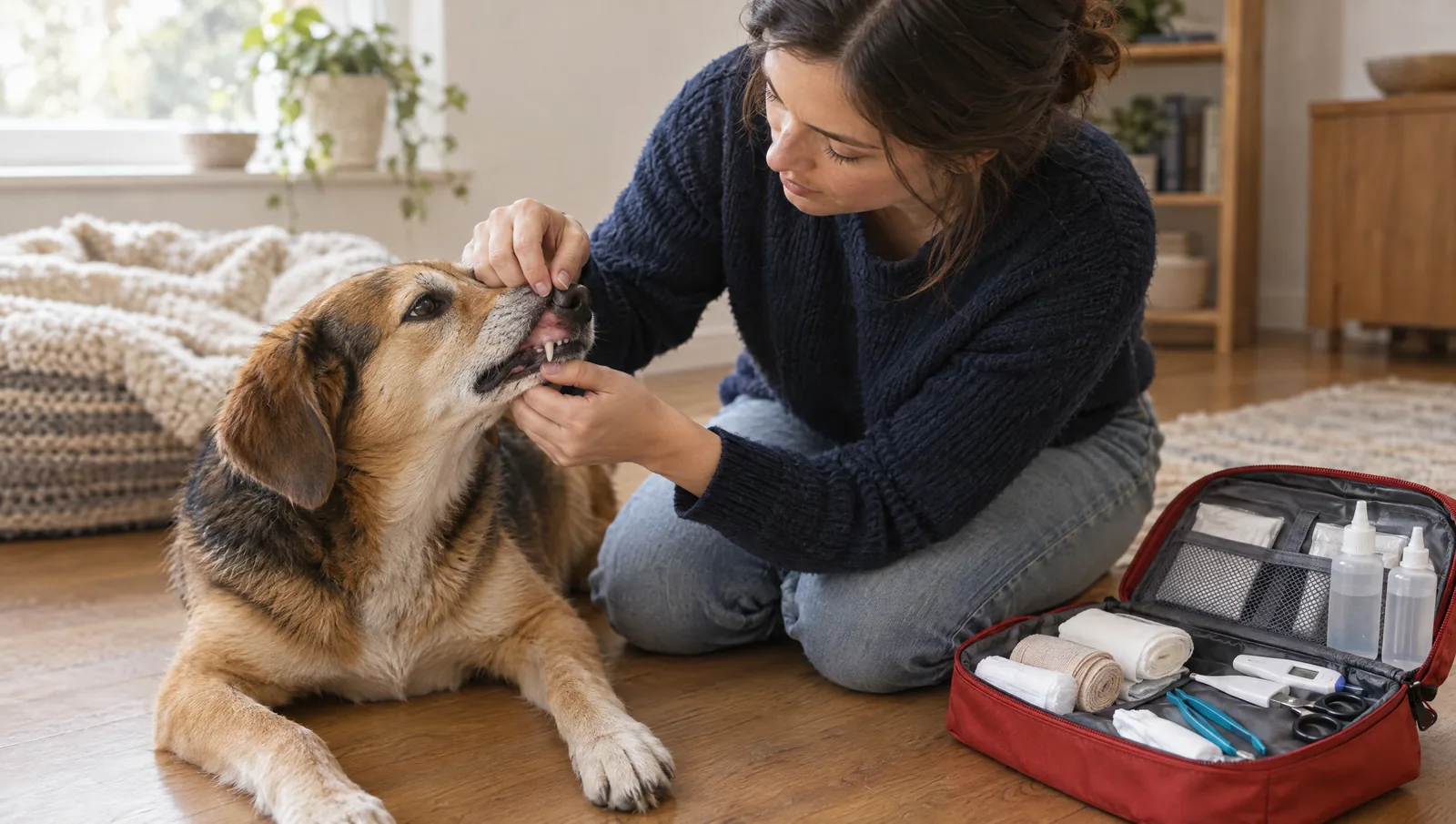
Image: AI-generated for Animal Helper Guide – for illustration.
- Call ahead. That way the team at the practice or clinic is ready when you arrive.
- Protect yourself. Even the gentlest animal may bite when it's in pain or frightened.
- Poisoning: don't make your pet vomit, no home remedies – take the packaging and set off straight away.
- Heatstroke: cool first, then drive. Right away.
- Go straight to the emergency vet for breathing difficulties, collapse, heavy bleeding, retching without vomiting and a swollen belly, a seizure lasting more than 5 minutes, or a male cat that can't pass urine.
If your pet is injured, collapses or has eaten something poisonous: stay calm, protect yourself, call the vet – then get there quickly but safely. First aid is no substitute for treatment. But it bridges the minutes until then, and it stops an emergency from turning into a bigger one.
The three rules for every emergency
- Stay calm. Your pet picks up on your stress. Speak softly and move slowly.
- Protect yourself. Don't hug an injured animal, and keep your face away from its mouth. If it might bite, put on a makeshift muzzle – except in the cases listed further down. If possible, carry it between two people.
- Call ahead. The practice or clinic can get ready and tell you what to do until you arrive. That's exactly what the American Veterinary Medical Association (AVMA) recommends.
What to tell them on the phone
- What happened, and when?
- Species, approximate weight, age
- What can you see right now: breathing, consciousness, bleeding, gum colour?
- For poisoning: what, how much, when – and have the packaging to hand
How to tell if it's a real emergency
According to the MSD Veterinary Manual, your pet needs to go straight to a vet or animal hospital after an accident and for shock, poisoning, severe burns, difficulty breathing, ongoing seizures, unconsciousness, heavy bleeding, inability to pass urine, heatstroke, open wounds with visible bone, and a difficult birth.
A few simple readings often tell you whether it's urgent. Learn them while your pet is healthy – then you'll spot what's wrong when it matters.
Normal values for dogs and cats
- Temperature: take it rectally with a digital thermometer; a little lubricant helps.
- Gums: lift the lip and look at the gums. Pink is good. Pale or white points to blood loss or shock, bluish or grey to a lack of oxygen, yellow to a liver problem.
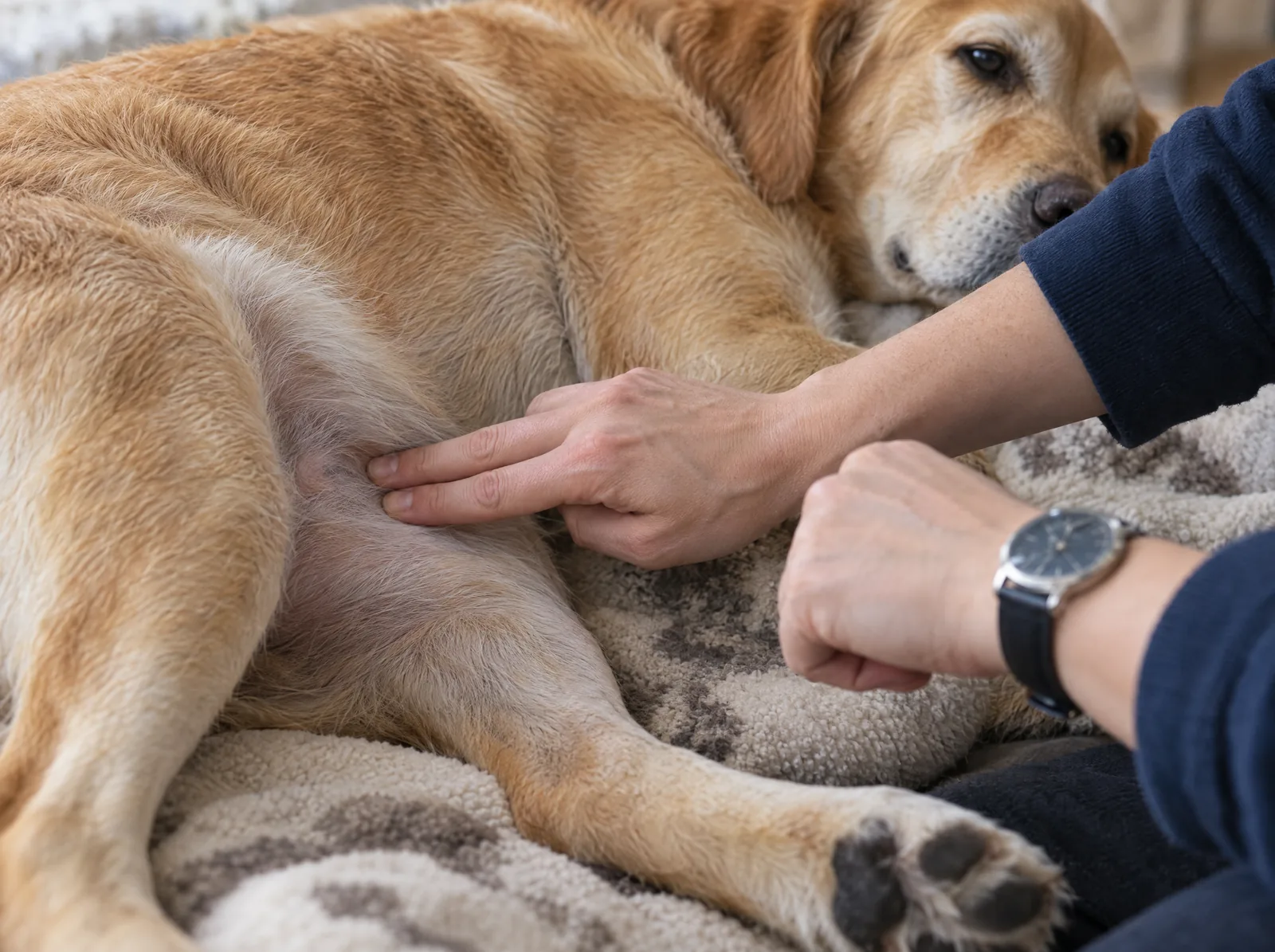
- Capillary refill time: press a finger on the pink gum until the spot turns pale, then let go and count. It should be pink again within 1–2 seconds.
- Breathing: while your pet is resting, count how often the chest rises and falls in one minute. Early signs of breathing difficulty are faster breathing and more effort; later come elbows held out from the body, a hunched back and – especially in cats – open-mouth breathing.
Poisoning: set off straight away, don't try anything yourself
Even a suspicion of poisoning is reason enough to go to the vet immediately. Call on the way and bring the packaging, plant remains or vomit in a sealed bag.
Please don't
- Don't make your pet vomit yourself – not with salt, and not with hydrogen peroxide. It can cause chemical burns, choking on vomit or circulatory collapse.
- No milk, no home remedies, no medication without instructions.
Which foods and plants are dangerous, how to recognise poisoning and what happens at the clinic: it's all in our guide Dog poisoning: signs, first aid and what the vet does.
Heatstroke: cool first, then transport
Heatstroke shows as heavy panting, lots of drooling, weakness, dazedness, staggering, vomiting and discoloured, dry gums. Collapse can come quickly.
- Get your pet into the shade or a cool room immediately.
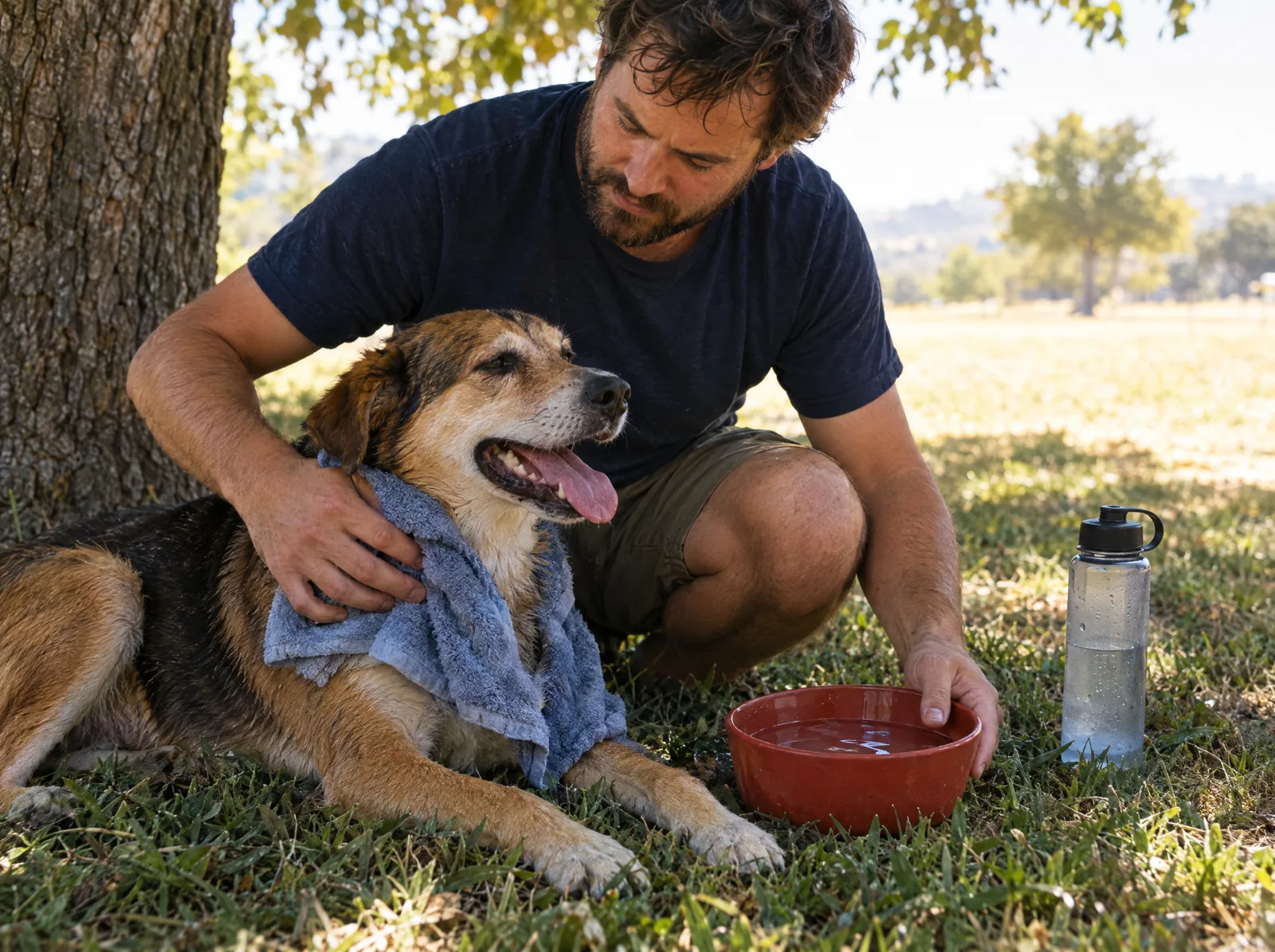
- Start cooling straight away – with water that is cooler than the animal – and keep the air moving, for example with a fan or an open car window as you drive.
- Call the clinic and go, even if your pet seems to be getting better.
- Only offer small amounts of water to drink once the temperature is coming down.
Why "cool first"? A study by the UK's Royal Veterinary College (Hall et al. 2023) found that only just over one in five dogs with heatstroke was cooled before being transported – and then mostly with wet towels, which do little good if they are left lying on the dog and warm up.
Cold water – yes or no?
The experts don't agree on this one. The Royal Veterinary College recommends immersing young, healthy dogs in cold water. The AVMA and the MSD Veterinary Manual, on the other hand, advise cool, not ice-cold water. Our advice: start straight away with cool water and moving air – and talk to the clinic on the phone about what to do next.
Dog in a hot car
A car in the sun quickly becomes a trap: in one series of measurements (McLaren et al., Pediatrics 2005), the temperature inside rose on average by about 1.8 °C every 5 minutes, with 80% of the rise happening in the first half hour. Even at 22 °C outside, it reached 47 °C inside. Leaving a window open a crack made no difference.
If you see a dog in distress in a car: call the police immediately (133), give them the number plate and location, look for the owner and ask others to help. Take photos and find witnesses. Smashing the window is only the very last resort when the dog's life is in acute danger – and legally, it's judged case by case.
Bleeding and bite wounds
- Stop the bleeding: press a clean cloth firmly and directly onto the wound – and don't lift it to check for at least 3 minutes. If blood soaks through, don't remove the cloth; add more layers on top.
- Bandage: firm, but not so tight that it cuts off the circulation. We advise non-professionals against tourniquets – a pressure bandage is safer.
- Bite wounds always need a vet. Cat bites are often just small punctures that easily become infected. A harmless-looking bite wound can hide broken ribs or internal injuries.
- If something is stuck in the wound (a stick, an arrow, metal): don't pull it out. Keep it stable and go to the clinic like that.
Breathing difficulties and choking
Signs: your pet is gasping for air, pawing at its mouth or retching, and its lips or tongue are turning bluish.
- If it's still breathing: keep it calm and go straight to the clinic.
- If you can see the object and can grab it without risk of being bitten: remove it carefully without pushing it further in. The MSD Veterinary Manual warns that putting your fingers in an animal's mouth can get you bitten. If your pet is panicking, leave it.
- Small animals: lift them by the thighs and swing them gently, then press forwards just behind the ribcage. Large dogs: use the Heimlich manoeuvre from behind, below the ribcage.
- Even if the object is out: go to the vet.
Bloat (GDV) in dogs
Bloat – gastric dilatation-volvulus, or GDV, where the stomach twists – is one of the most urgent emergencies in dogs. Typical signs are a swollen belly and retching with nothing coming up, along with restlessness, drooling and looking round at the belly. Large, deep-chested dogs are most at risk.
Go straight to a clinic that can operate, and call ahead. According to the American College of Veterinary Surgeons (ACVS), the outlook gets significantly worse if the symptoms have lasted more than 6 hours. Don't wait to see if it "goes away on its own".
Seizures
- Move objects and other animals out of the way.
- Don't hold your pet down, and keep your hands away from its mouth.
- Time the seizure and film it – that helps the vet enormously.
- Afterwards, keep your pet calm and call the vet.
Go straight to the clinic if a seizure lasts longer than 5 minutes, or if there are several seizures in a row without your pet fully coming round in between.
Male cat can't pass urine
A male cat who keeps going to the litter tray, straining, and passes little or no urine is a true emergency. He often cries out, hides and stops eating. If the urethra is completely blocked, he can die within 24 to 48 hours, according to the Cornell Feline Health Center. Don't mistake it for constipation – go to the vet straight away.
Accidents, broken bones and safe transport
- Only splint a leg if you're confident – and only below the elbow or knee. A badly applied splint does more harm than good.
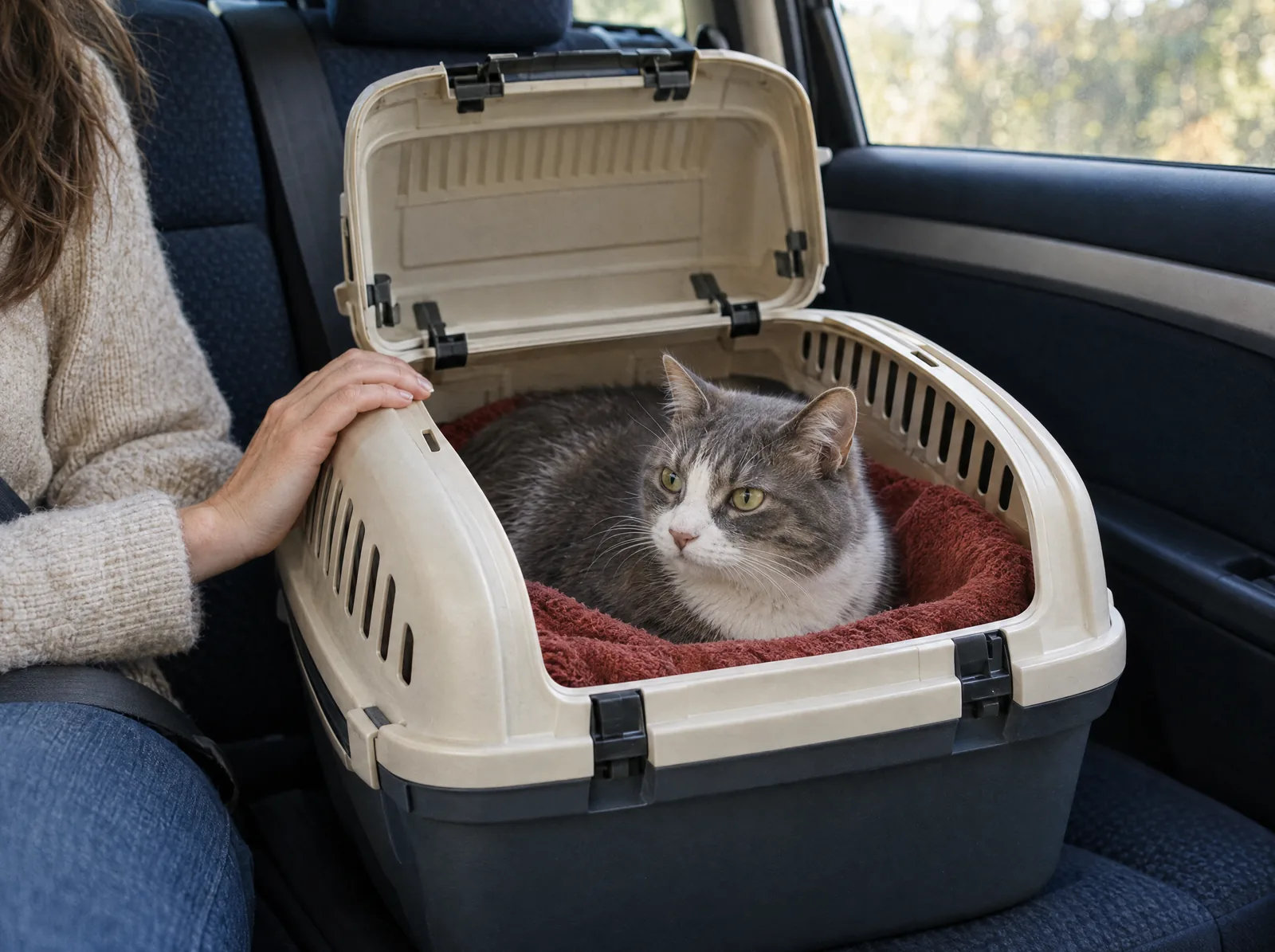
- Transport: move the head, neck and spine as little as possible. A firm blanket, a board or thick cardboard makes a stretcher. Cats and small dogs go in a carrier with air holes.
- With a head injury, keep the head level with the body or slightly raised.
- A cloth over the head can calm a frightened animal.
No makeshift muzzle if …
- the animal is struggling to breathe or has a chest injury
- it is vomiting
- it's a flat-faced breed like a pug or bulldog
- it has facial injuries
And never leave a muzzled animal alone.
Burns, insect stings, hypothermia
| Emergency | Do this now | Go straight to the clinic if … |
|---|---|---|
| Burn | Gently run cool water over the area, cover with a non-stick dressing | it is large or deep, on the face, or caused by electricity or chemicals |
| Insect sting | Remove a bee sting, cool the area | your pet struggles to breathe, collapses, swells up in the mouth or throat, or has been stung several times |
| Hypothermia | Dry a wet animal, apply hot-water bottles (warm, not hot) wrapped in towels | always – don't rub, don't rub with snow, no hot water |
CPR: chest compressions for dogs and cats
If your pet isn't breathing and doesn't respond, start cardiopulmonary resuscitation (CPR) – ideally while someone else drives to the clinic. The international RECOVER guidelines (2024) recommend:
- Lying on their side for cats and most dogs; barrel-chested dogs such as bulldogs on their back.
- 100–120 compressions per minute, pressing the chest in by a third to a half of its width and letting it recoil fully each time. For cats and small dogs, squeeze with one hand between thumb and fingers.
- 30 compressions, then 2 breaths: hold the mouth closed and blow into the nose until the chest rises.
- Keep going in two-minute cycles without a break.
To be honest
Resuscitation rarely works in animals: according to RECOVER, around 5–7% of dogs and 1–19% of cats survive to be discharged from hospital. If it doesn't work, you still did everything that was possible.
What goes in a pet first aid kit
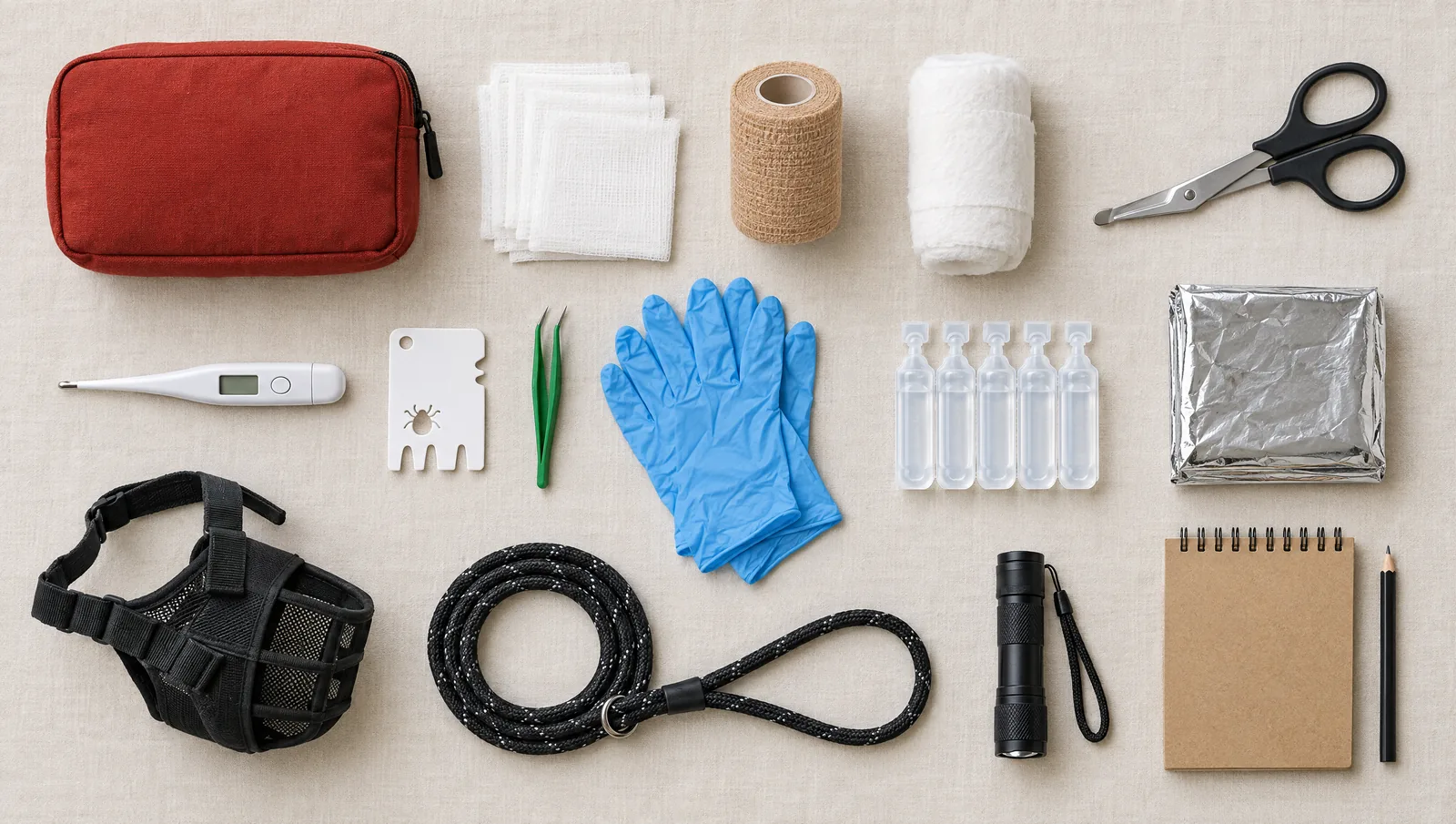
A well-stocked kit saves minutes in an emergency. Here's the checklist:
What goes in a pet first aid kit
Two minutes that make a big difference
Save your vet's number and the number of the nearest emergency service in your phone today. You'll find the services for your federal state in the emergency directory.
Frequently asked questions
Is there a pet poison helpline in Austria?
No. The Poisons Information Centre (Vergiftungsinformationszentrale, 01 406 43 43) advises on poisoning in people, not in animals. If you suspect poisoning, go straight to your vet or an animal hospital and call on the way.
Where can I find a vet at night or at the weekend?
Austria has no nationwide out-of-hours vet service – each federal state (Bundesland) organises it differently. The animal hospital of the University of Veterinary Medicine Vienna (Tierspital der Vetmeduni Wien) is open around the clock (01 25077-5555). You'll find the regional numbers in our emergency directory. Tip: ask your vet today which emergency service covers your area, and save the number.
How do I take my dog's or cat's temperature?
With a digital thermometer, rectally, using a little lubricant. Normal is around 37.5–39.2 °C for dogs and 38.1–39.2 °C for cats. If the reading is well above or below that, call your vet.
Can I give my pet a painkiller from my medicine cabinet?
No. Don't give any medication without your vet's instructions. Some human painkillers are dangerous for animals – paracetamol, for example, is toxic to cats, even in small amounts.
How fast should I press during chest compressions?
100 to 120 times a minute – roughly to the beat of ‘Stayin’ Alive’. Without a breathing tube: 30 compressions, then 2 breaths into the nose. Sadly, resuscitation rarely succeeds in animals, so have someone drive you to the clinic and keep compressing on the way.
Should I do a first aid course for dogs?
Yes, if you get the chance. Techniques like tying a makeshift muzzle, applying a pressure bandage or carrying an injured animal are best learned hands-on – many vets and dog schools offer courses.
Sources
- AVMA – Pet First Aid (brochure 2025)
- MSD/Merck Veterinary Manual – Emergency Care for Dogs and Cats
- MSD/Merck Veterinary Manual – What to Do in a Dog or Cat Emergency
- MSD/Merck Veterinary Manual – First Aid and Transport of Small Animals
- MSD/Merck Veterinary Manual – Initial Triage of Small Animal Emergency Patients
- MSD/Merck Veterinary Manual – Normal values (temperature, breathing, heart rate)
- Hall EJ et al. (2023): Cool first, transport second – heatstroke in dogs, Veterinary Sciences
- MSD/Merck Veterinary Manual – Protecting Pets During Hot Summer Months (2025)
- McLaren C et al. (2005): Heat Stress From Enclosed Vehicles, Pediatrics
- ACVS – Gastric Dilatation-Volvulus
- Cornell Feline Health Center – Feline Lower Urinary Tract Disease
- RECOVER Guidelines 2024 – summary (Today’s Veterinary Nurse)
- Burkitt-Creedon JM et al. (2024): RECOVER Guidelines, JVECC
- MSD/Merck Veterinary Manual – First Aid Kit for a Pet
- City of Vienna – Heat: dogs in cars (in German)