Street dogs in winter: why the cold turns deadly and how to help
A dog that copes well in summer can die within a single night in winter. Here's what cold does to an animal, what an emergency shelter has to do, and which kind of help really arrives.
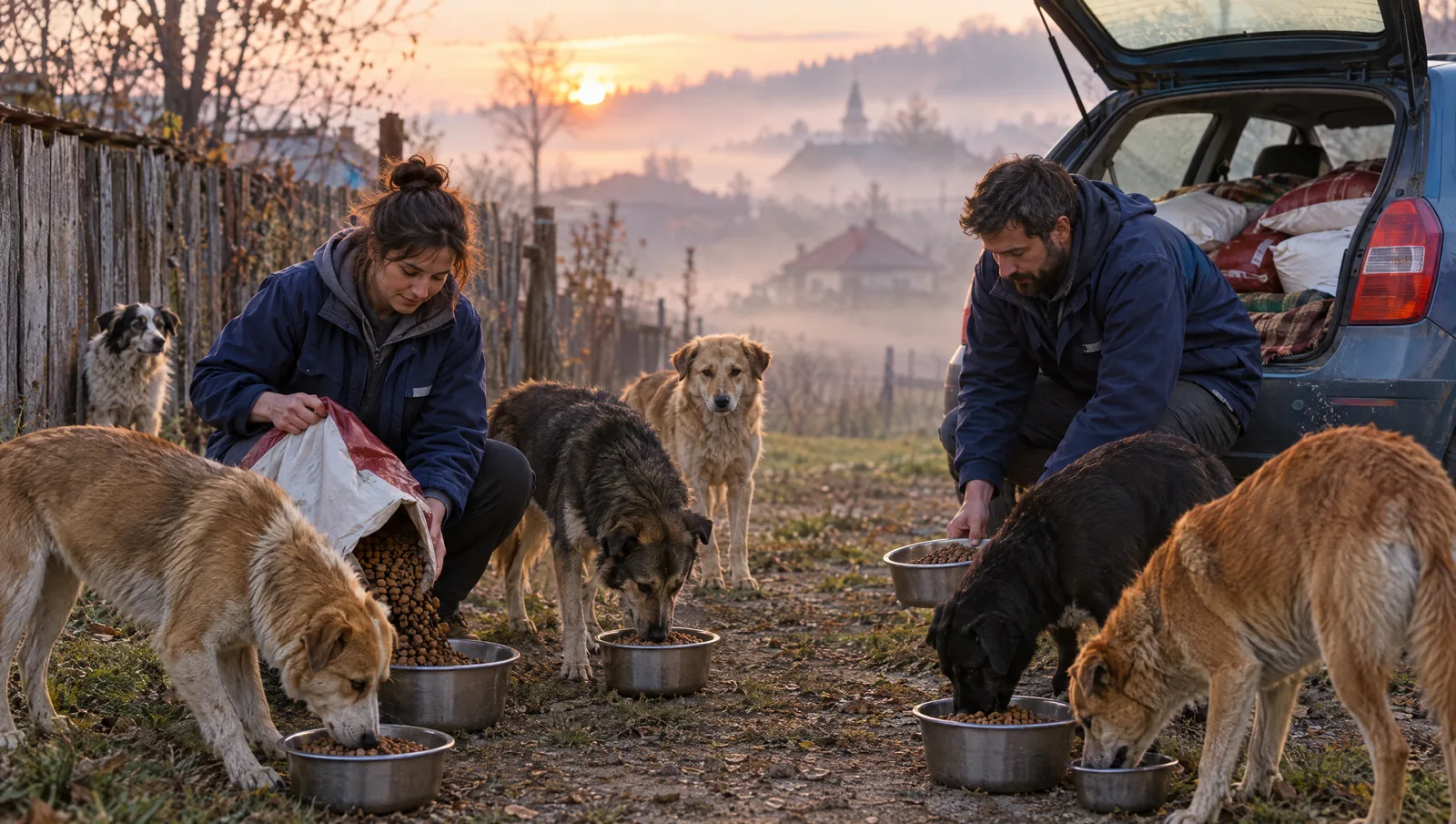
Image: AI-generated for Animal Helper Guide – for illustration.
- Wet fur doesn't insulate. Water carries heat away – a soaked animal chills even above freezing.
- Cold costs calories. Animals living outdoors need more food in winter, ideally split into several meals.
- Water matters more than you'd think. Frozen water means the animal isn't drinking – and that's what makes salt poisoning dangerous.
- A good shelter is small, dry, raised and turned away from the wind – and filled with straw, not blankets.
- Antifreeze kills in teaspoon amounts. As little as 1–2 teaspoons can be fatal for a cat.
In summer a street dog often looks surprisingly well. It finds food, it finds shade, it manages. In winter that flips within days – and sometimes within a single night. Cold alone rarely kills. What kills is the combination of wet, wind, an empty stomach and nowhere dry to lie down.
This guide explains what happens inside the body, what an emergency shelter really has to do, which two poisons winter adds – and which kind of help arrives when you're far away.
Why the cold is more dangerous than it looks
Dogs and cats lose heat mainly in two ways: to the surrounding air, and through direct contact with cold surfaces – that is, through the ground they lie on. In humans, radiation dominates instead. That comes from a review of hypothermia in cats and dogs in the Journal of Veterinary Emergency and Critical Care (Brodeur et al. 2017), and it explains why a dry dog on straw gets through a winter and the same dog on wet earth doesn't.
Wet fur isn't fur any more
The coat doesn't warm the animal itself. It holds a layer of still air in place, and that air insulates. Once the coat is wet, water displaces the air – and water carries heat away well. The same review puts it plainly: rain-soaked fur does not insulate effectively, and a wet animal is predisposed to hypothermia. Wind makes it worse, because it breaks up the layer of air in the coat.
In practice: a wet dog at +4 °C with wind is at greater risk than a dry dog at –5 °C in still air. The MSD Veterinary Manual names wet and windy conditions explicitly as a risk factor for frostbite.
This applies to owned dogs too
The AVMA points out that a wet dog coat makes the animal colder, not warmer. If you put a coat on your dog, keep several – a dry one for every outing.
Who feels it first
Not every animal copes equally. According to the AVMA, cold tolerance depends on coat, body fat, activity level and health. Most at risk are:
- short-haired animals – they simply have less protection
- short-legged animals – belly and body sit closer to snow-covered ground
- very young animals – newborns lose heat fast through a proportionally large body surface and produce little of their own
- very old and sick animals, especially with heart, kidney or hormonal disease
For a litter of puppies under a porch roof that means: the first cold, wet night decides.
Cold costs calories
Heat has to be produced, and that costs energy. The resting energy requirement vets calculate with is explicitly defined for a thermoneutral environment – conditions in which the animal neither has to heat nor cool itself. Outdoors in winter it no longer applies. The MSD Veterinary Manual names the environment as one of the factors determining energy needs, and records that cats living outdoors year-round or at night eat more in winter.
For dogs kept outdoors, the manual recommends more and better-quality food, split into several meals, so the larger amount doesn't upset the stomach. The AVMA makes the same point for animals outdoors – but warns against letting an animal get fat "for insulation".
What we deliberately don't write
A rule of thumb circulates online that a dog needs "around 7 % more calories for every 10 degrees colder". We found no sound source for it, so we quote no percentage. What is documented: the requirement rises. You control it through weight and body condition, not through a formula.
Water is the underestimated problem
A frozen bowl is not a minor nuisance. For animals outdoors the AVMA requires unlimited access to fresh, non-frozen water – through frequent changes or a heated bowl if needed. The MSD Veterinary Manual also lists frozen water explicitly among the causes of animals drinking too little – and that is exactly what makes salt poisoning dangerous.
What an emergency shelter needs
A shelter doesn't have to look good. It has to be dry, small, sheltered from wind and raised off the ground. That isn't a matter of taste; in substance it's even written into Austrian law. The 2nd Animal Husbandry Ordinance requires, for dogs kept outdoors, a kennel made of insulating material in which the dog can lie dry, with the entrance facing away from the weather side, a suitable bedding layer, kept dry and clean – and sized so the dog can move and lie down in it. And, tellingly: if the kennel can't be heated, the dog must be able to keep the interior warm with its own body heat.
| Requirement | Why |
|---|---|
| Small rather than large | The animal heats the interior itself. In a big space the warmth disperses and is gone. |
| Floor raised off the ground | Cold ground draws heat away through direct contact – the main route of loss for a lying animal. |
| Small entrance, with a flap, a few centimetres above ground | Keeps out wind, rain, snow and larger animals. |
| Entrance turned away from the wind, ideally towards a wall | Wind tears open the warming layer of air – inside as well. |
| Straw as bedding, thick and topped up | Straw repels moisture, and animals burrow into it. |
| No blankets, towels or hay | Textiles and hay absorb moisture, freeze and then chill the animal. |
| No heat lamps, no fan heaters | Risk of burns and fire. Heated mats only with care – they can cause burns too. |
The measurements for cat shelters from street-animal work – roughly 60 × 90 cm, 45 cm high, entrance 15–20 cm – come from Alley Cat Allies and don't transfer directly to dogs. The principle does: only as big as necessary. That's also where you find the sentence that undoes many well-meant shelters: larger is not better, because the heat disperses and the inside ends up as cold as the outside.
Check after snowfall
Clear the entrance after heavy snow. Otherwise the animal is snowed in – at best without water, at worst without air.
Road salt and antifreeze
Winter brings two poisons that play no part in summer.
Antifreeze: sweet and lethal
Ethylene glycol, the active ingredient in most antifreeze and coolant products, tastes sweet and is lapped up willingly. The minimum lethal dose is alarmingly small: according to the MSD Veterinary Manual it is 1.4 mL per kilogram for cats and 4.4–6.6 mL per kilogram for dogs when undiluted; younger animals are more susceptible. In household terms the manual describes it as a rough illustration: 3–4 teaspoons for a dog and 1–2 teaspoons for a cat.
The puddle under the car isn't the only danger. An animal that walks through a spill and licks its paws later takes in the same poison.
Early signs: stumbling as if drunk, drinking and urinating noticeably more. Vomiting, seizures and coma follow later. The outlook worsens with every hour between ingestion and treatment – so don't wait, go straight to the clinic. What happens there and how to recognise poisoning is in our guide Dog poisoning: signs, first aid and what the vet does.
Road salt: paws and stomach
De-icing salt attacks the pads – cracked, bleeding paws and balls of ice between the toes are the visible result. The AVMA advises watching for sudden lameness during a walk and trimming the hair between the toes.
The second kind of damage is invisible: dogs poison themselves by licking the salt off their paws. According to the MSD Veterinary Manual, signs can appear within a few hours and range as far as weakness, diarrhoea, muscle tremors and seizures. What decides the outcome is access to water – which brings us back to the frozen bowl.
Two minutes after every walk
Wipe or wash the paws, legs and belly. That's exactly what the AVMA recommends – it removes road salt, antifreeze and other chemicals before the animal licks them off.
How to help on the ground
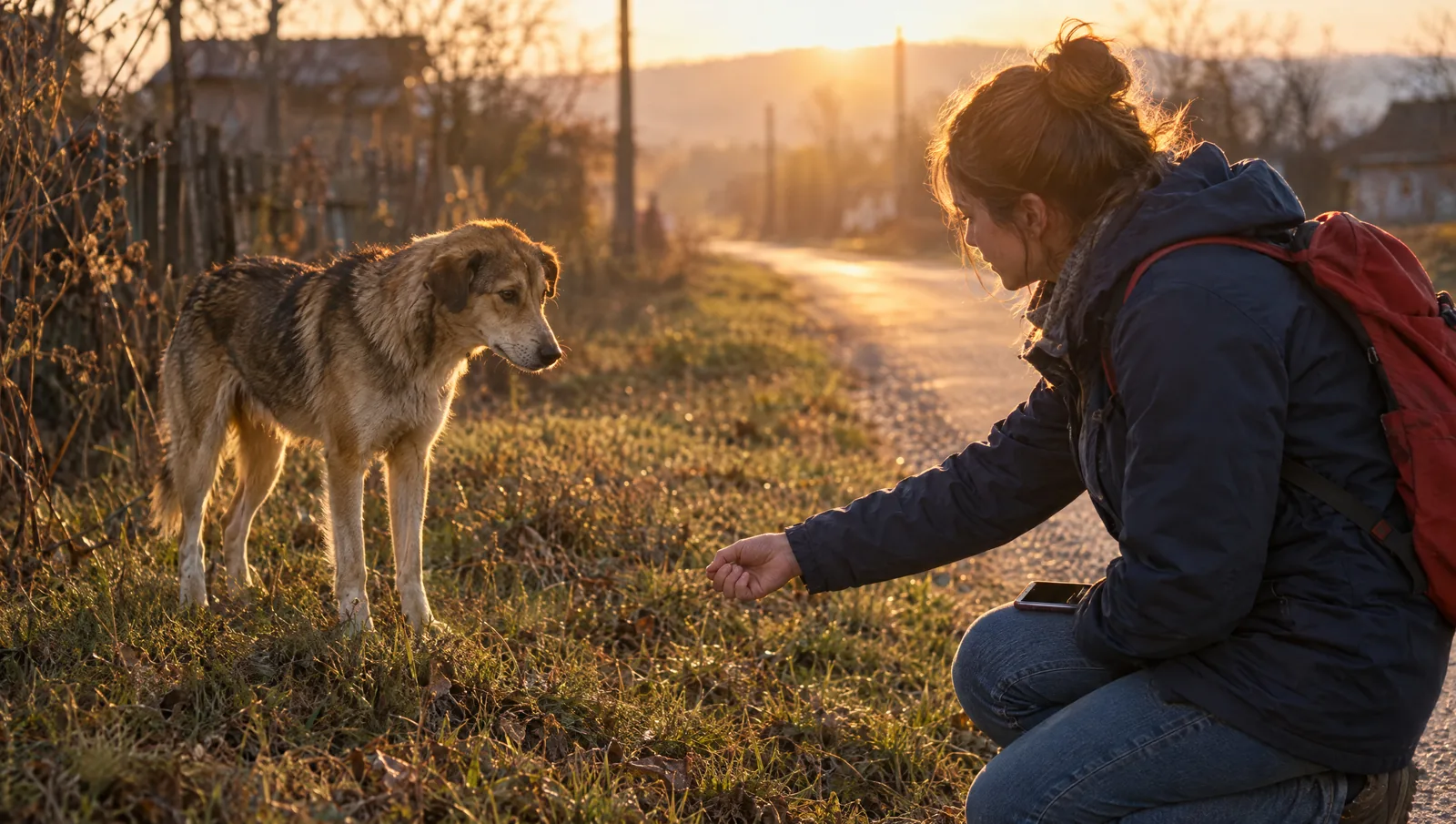
- Dry comes first. A dry, wind-sheltered spot does more than any blanket. An upturned box helps for a night; a kennel with straw helps all winter.
- Keep the water liquid. Changing it twice a day beats one big bowl that freezes over.
- Split the food. Two smaller portions are better than one large one.
- Don't catch an animal if you don't know where it will go. A caught animal with nowhere to go is one more problem. Talk to the helpers on the ground first.
- Injured or listless animals belong at the vet. How to go about that and who to call is in Found an injured animal? What to do and who to call
Act immediately if an animal …
- has stopped shivering although it is clearly frozen through
- staggers, seems confused or can't get back up
- is breathing shallowly with a noticeably slow pulse
- is cold and wet and doesn't resist being handled
These are signs of hypothermia. What you can do then – and what you must never do – is in Recognising hypothermia in dogs and cats and acting correctly.
How to help from home
Most people reading this are not in Romania, Bulgaria, Hungary or Turkey. That doesn't make their help smaller – it just has to arrive in the right place.
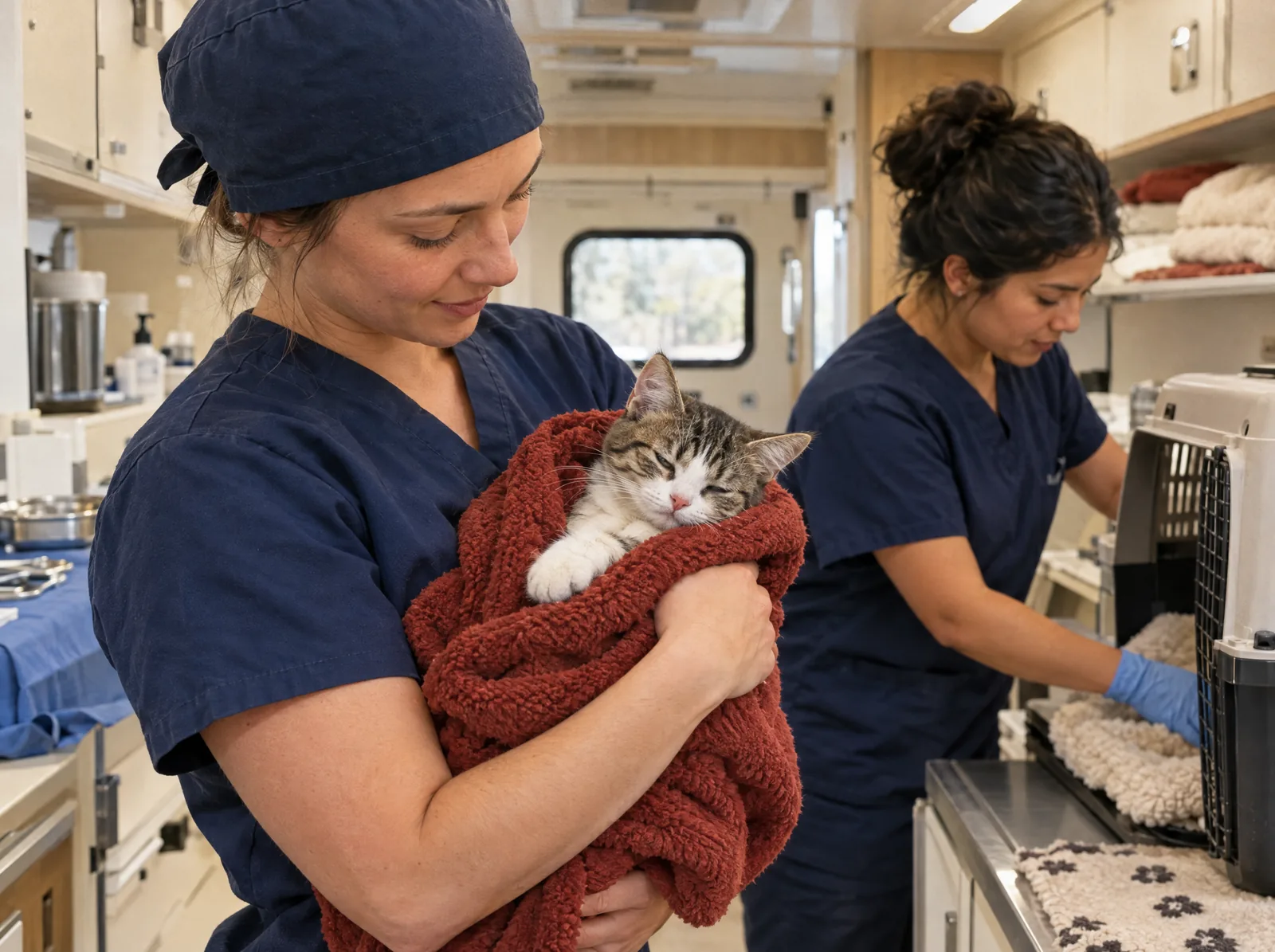
- Neutering is the only help that makes the next winter smaller. Every litter not born is a litter that doesn't freeze.
- Straw, food and vet costs help the animals already out there. Small amounts with immediate effect.
- Strengthen the helpers themselves. The people on the ground mostly work alone, with their own money and without structure. That's exactly where we come in.
- Pass it on. People who know what a rescue dog brings with it before adopting return them less often. Our guide Adopting a rescue dog from Romania: what you need to know covers that.
That is exactly what Save Our Animals does: we don't found another charity, we help the helpers. Follow our WhatsApp channel and see for yourself what arrives – or support the work on the ground.
Frequently asked questions
At what temperature does it get dangerous for a street dog?
There's no single figure. The AVMA points out that cold tolerance depends on coat, body fat, activity and health: short-haired, short-legged, very young, very old and sick animals feel the cold much sooner. Wet and windy conditions matter just as much – a wet dog at 5 °C is at greater risk than a dry one at minus 5 °C.
Does it help to put a blanket down for a street dog?
Less than you'd hope. Blankets and towels soak up moisture, freeze and then chill the animal further. Straw is better: it repels moisture and animals can burrow into it. It needs topping up through the season.
Should I feed street animals?
Feeding alone solves nothing and can cause friction locally if leftovers are left lying around. It works when it's organised: fixed spots, fixed times, cleaned up afterwards – and always alongside neutering and veterinary care. The most effective thing is to support the people already doing that on the ground.
Why is frozen water such a big problem?
Because an animal that doesn't drink dehydrates on top of being cold. With salt there's a second reason: according to the MSD Veterinary Manual, salt poisoning becomes dangerous above all when no fresh water is available – and frozen water is listed there explicitly as a cause.
How do I recognise frostbite?
It usually affects the ear tips, paws and the tip of the tail. The skin may be pale or red, swollen and painful. The AVMA notes that frostbite is often only fully visible days later. Don't rub it, don't rub snow on it – see a vet.
I can't take an animal in. What helps most?
Neutering. It stops a new litter being born every spring that won't survive the next winter. After that come food, straw and vet costs for the animals already out there.
Sources
- Brodeur A, Wright A, Cortes Y (2017): Hypothermia and targeted temperature management in cats and dogs, JVECC 27(2)
- AVMA – Cold weather animal safety
- MSD/Merck Veterinary Manual – Keeping Pets Safe During Cold Winter Months (2025)
- MSD/Merck Veterinary Manual – Emergency Care for Dogs and Cats
- MSD/Merck Veterinary Manual – Ethylene Glycol Toxicosis in Animals
- MSD/Merck Veterinary Manual – Ethylene Glycol (Antifreeze) Poisoning
- MSD/Merck Veterinary Manual – Salt Toxicosis in Animals
- MSD/Merck Veterinary Manual – Nutritional Requirements of Small Animals
- Austrian 2nd Animal Husbandry Ordinance, Annex 1 point 1.2 – dogs kept outdoors (RIS, in German)
- Alley Cat Allies – Providing Shelter
- Alley Cat Allies – Winter Weather Tips
- McCafferty DJ et al. (2017): Animal thermoregulation, Bioinspiration & Biomimetics 13(1)