Recognising hypothermia in dogs and cats and acting correctly
Warming a hypothermic animal the wrong way can be more dangerous than the cold itself. Here's how to tell the stages apart, what you can do until you reach the vet – and why it's hot water bottle yes, fan heater no.
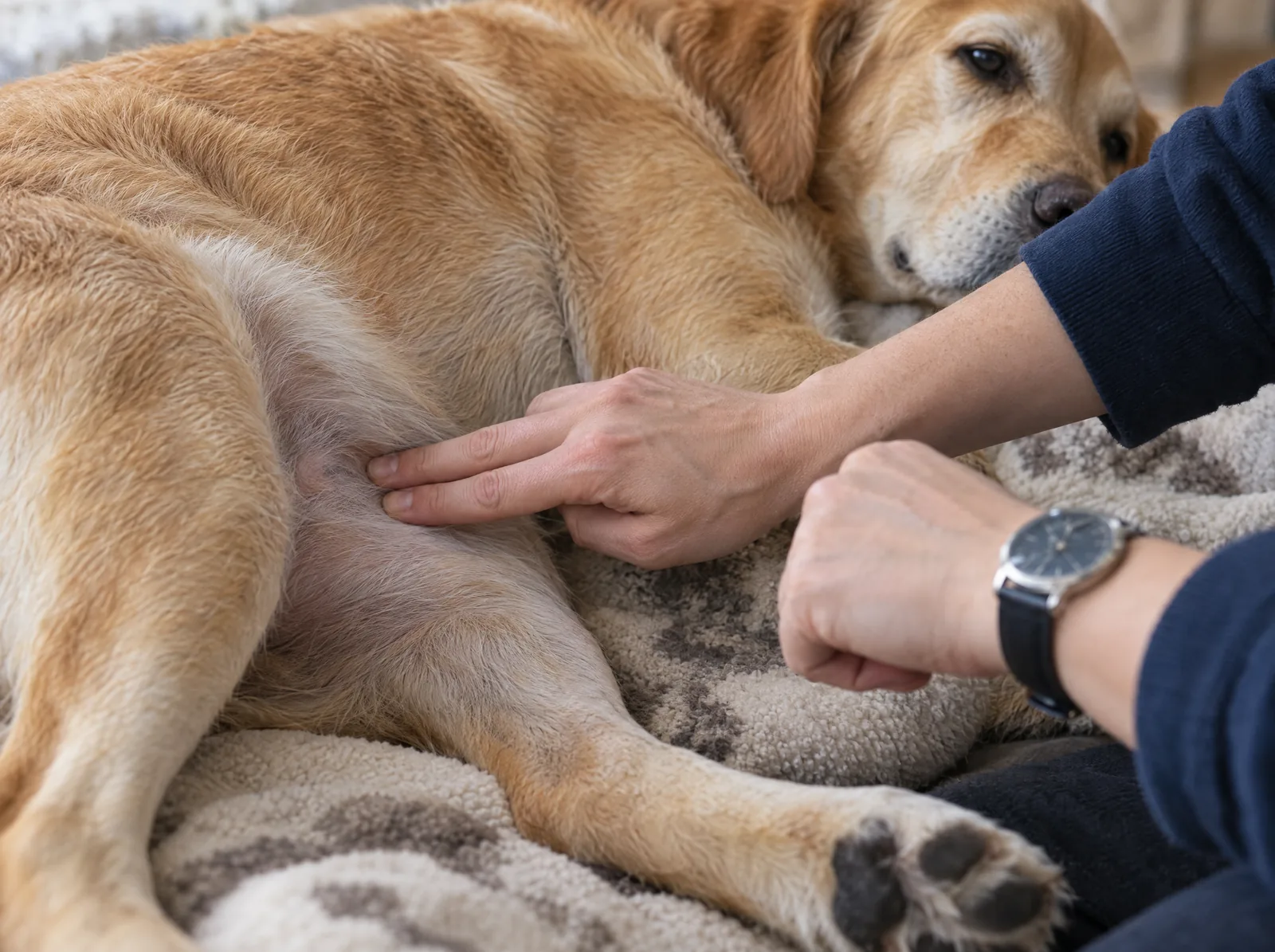
Image: AI-generated for Animal Helper Guide – for illustration.
- Normal is 37.5–39.2 °C for dogs and 38.1–39.2 °C for cats – taken rectally with a digital thermometer.
- If a frozen animal stops shivering, that is not a good sign – usually it's a bad one.
- Dry first, then warm. Wet fur doesn't insulate.
- Warmth belongs at the trunk, not the legs – otherwise the circulation can collapse during rewarming.
- No direct heat. A hypothermic animal can't move away from the heat source and will burn itself.
- Every hypothermic animal belongs at the clinic – even if it seems lively again.
Hypothermia is treacherous because it creeps up, and because the obvious response – warm the animal fast and hard – is the wrong one. A hypothermic animal is warmed slowly, from the inside out and at the trunk. Not at the legs, not with heat, not by rubbing. Here's how to tell how far it has gone, and what you can do until you reach the vet.
What normal looks like
Without a reference value you can't spot a deviation. The normal values come from the MSD Veterinary Manual's table:
Normal values for dogs and cats
Take the temperature rectally with a digital thermometer and a little lubricant. A human ear thermometer is no good for this. Learn your own animal's values while it is healthy – then you'll notice faster when something is off.
The stages of hypothermia
A review in the Journal of Veterinary Emergency and Critical Care (Brodeur et al. 2017) classifies hypothermia by core temperature:
| Stage | Core temperature | What you see |
|---|---|---|
| mild | 32–37 °C | The animal shivers, is listless and seeks warmth. It is clearly conscious. |
| moderate | 28–32 °C | Shivering eases or stops, consciousness clouds, the muscles stiffen. |
| severe | 20–28 °C | Unconsciousness, a very slow and irregular heartbeat, shallow breathing. |
The same paper reproduces a second scheme that describes the stages by the animal's state rather than the thermometer – useful, because outdoors you can rarely measure: clear consciousness with shivering (32–35 °C), impaired consciousness without shivering (28–32 °C), unconsciousness (24–28 °C).
The warning sign: the shivering stops
Shivering is work. The body generates heat with it, and that costs energy and oxygen. When the energy runs out or the temperature keeps falling, the shivering stops. In a cold, wet animal that doesn't mean the danger has passed – it means the opposite. The same review also records that passive rewarming – simply covering the animal – is unlikely to be enough once it has stopped shivering.
Here the expert sources disagree
The MSD Veterinary Manual writes that shivering is not as reliable a sign of hypothermia in animals as it is in people. The AVMA, by contrast, lists shivering among the signs that should make you bring an animal inside at once.
We don't smooth that over; we say what follows from it: - A shivering animal out in the cold is an alarm signal – bring it in. - An animal that is not shivering is not therefore fine. - If a visibly frozen animal stops shivering, that is a bad sign.
Further signs named by the MSD Veterinary Manual: slow pulse, shallow breathing, confusion, collapse, unconsciousness. The AVMA adds the early ones that are easy to miss: whining, restlessness, slowing down or stopping, weakness, and looking for a warm place to burrow into.
First aid: what you can do
- Call the practice or clinic before you set off. The team can prepare and tell you what to do on the way.
- Dry a wet animal first. Wet fur doesn't insulate: water carries heat away, and a wet animal is predisposed to hypothermia.
- Wrap it up. Blankets, towels, a space blanket if need be. The surface underneath has to be warm and dry too.
- Hot water bottles – warm, not hot – wrapped in cloth against the trunk. That is exactly how the MSD Veterinary Manual puts it.
- Don't rub, don't rub snow on it, no very hot water.
- Drive. On a long journey the review considers it reasonable to keep warming from the outside on the way.
Please don't
- No fan heater, no heat lamp, no electric blanket directly on the skin. For animals outdoors the AVMA advises against these explicitly – heated mats can cause burns too.
- No hot bath, no shower.
- Nothing to drink if the animal is dazed or can't swallow safely.
- No medication without veterinary instruction.
Why direct heat causes harm
There are two good reasons, and both are in the same review.
Burns. A hypothermic animal often cannot move away from the heat source. On top of that, the blood vessels in the skin are constricted, and constricted vessels cannot carry the applied heat away. The skin burns before the core gets warmer.
The circulation collapses. If you warm the limbs without warming the core, the vessels there open abruptly and blood pools in the periphery – specialists call this rewarming shock. At the same time cold blood flows back from the legs to the heart, and the core temperature can keep falling during rewarming. That phenomenon is called afterdrop.
The practical rule that follows: warmth belongs at the trunk. Legs and paws stay wrapped, but without a heat source of their own.
Frostbite on ears, tail and paws
Frostbite typically hits the places that are least insulated and furthest from the core: ear tips, paws and the tip of the tail. The MSD Veterinary Manual describes the affected skin as pale or red, swollen and painful. Wet and windy conditions increase the risk.
How to proceed:
- Thaw slowly, don't rub. The MSD Veterinary Manual advises gentle rewarming in warm, not hot water.
- Don't open blisters, leave out ointments and home remedies.
- See a vet – even if it's "only" an ear tip.
- Be patient about the verdict. Whether tissue has died only becomes clear after days. The manual advises explicitly postponing decisions about dead tissue until they can be judged. The AVMA notes that frostbite is often only fully recognisable days later.
When it has to be the clinic
Always. Hypothermia and frostbite are not cases for home remedies, and that holds even when the animal seems lively again after half an hour in a warm room. It is especially urgent when:
- the animal has stopped shivering although it is clearly frozen through
- it staggers, seems confused or can't get up
- breathing is shallow and the pulse noticeably slow
- it is unconscious or doesn't respond when spoken to
- it is a puppy, a kitten, an old or a sick animal
What to do if breathing stops and how to transport safely is in Pet first aid for dogs and cats.
How it gets this far in the first place
Hypothermia is almost always the end of a chain: getting wet, having no way to dry off, finding no shelter from the wind, eating too little. Dogs and cats lose heat mainly to the surrounding air and through direct contact with cold surfaces – that is, through the ground they lie on.
That's exactly why a dry, raised spot is often more effective than any blanket. What an emergency shelter has to do, and why straw beats textiles, is in Street dogs in winter: why the cold turns deadly.
Two minutes well spent
Save your vet's number and the nearest out-of-hours service in your phone today. Which services cover your region is in the emergency directory.
Frequently asked questions
How do I take a dog's or cat's temperature?
With a digital thermometer, rectally, using a little lubricant. Normal is around 37.5–39.2 °C for dogs and 38.1–39.2 °C for cats. A human ear thermometer is not suitable.
My dog isn't shivering – so he isn't hypothermic?
No, that conclusion is wrong. The MSD Veterinary Manual points out explicitly that shivering is not as reliable a sign in animals as it is in people. The other way round holds too: if a visibly frozen animal stops shivering, that's a warning sign, not a sign of improvement.
Can I put a hypothermic animal in a warm bath?
No. Don't reach for quick heat. Rapid surface rewarming can widen the vessels in the extremities, let the circulation collapse, and even make the core temperature fall further. Dry the animal, wrap it up, put wrapped hot water bottles against the trunk – and set off.
Does rubbing help get the circulation going?
No. The MSD Veterinary Manual advises explicitly against rubbing a hypothermic animal, rubbing snow on it, or using very hot water.
How do I recognise frostbite – and what do I do?
It usually affects the ear tips, paws and the tip of the tail. The skin may be pale or red, swollen and painful. Thaw slowly, don't rub, don't open blisters – and see a vet. The AVMA notes that the full extent is often only visible days later.
Why are puppies and kittens particularly at risk?
Because they have a large body surface relative to their weight and produce little heat of their own. They cool down considerably faster than adult animals.
My animal was hypothermic and seems normal again. Do I still need the vet?
Yes. Hypothermia puts strain on circulation, heart rhythm and organs, and frostbite damage shows up with a delay. Call and go.
Sources
- Brodeur A, Wright A, Cortes Y (2017): Hypothermia and targeted temperature management in cats and dogs, JVECC 27(2)
- MSD/Merck Veterinary Manual – Emergency Care for Dogs and Cats
- MSD/Merck Veterinary Manual – Keeping Pets Safe During Cold Winter Months (2025)
- MSD/Merck Veterinary Manual – Normal values (temperature, breathing, heart rate)
- MSD/Merck Veterinary Manual – Initial Triage of Small Animal Emergency Patients
- AVMA – Cold weather animal safety
- AVMA – Pet First Aid (brochure 2025)
- MSD/Merck Veterinary Manual – First Aid and Transport of Small Animals