Adopting a rescue dog from Romania: what you need to know
A rescue dog from abroad can be the best thing that ever happened to you both – if you know what you're taking on. Honest answers from an organisation that knows the helpers on the ground.
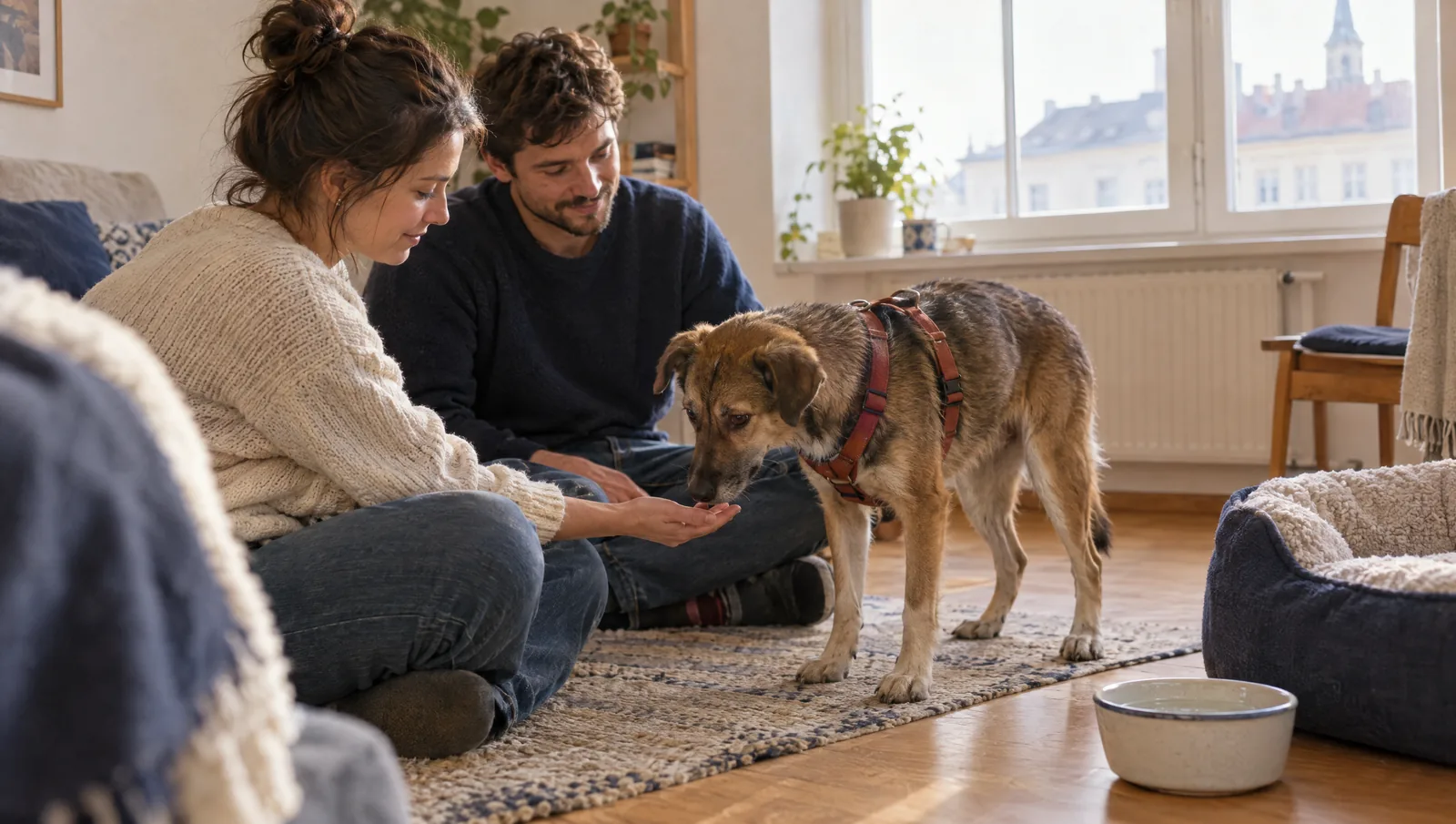
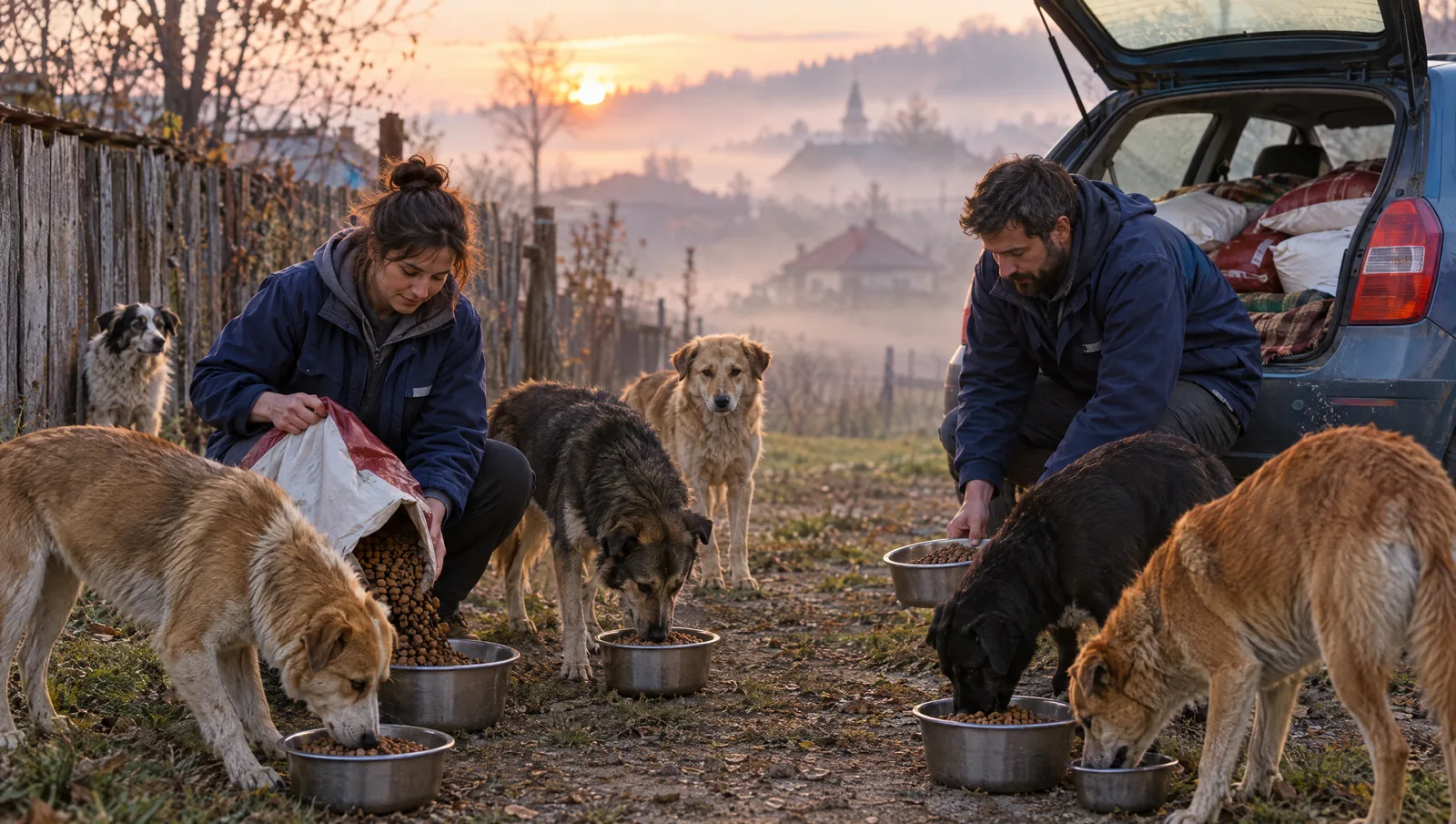
Image: AI-generated for Animal Helper Guide – for illustration.
- Yes – with your eyes open. Many rescue dogs become wonderful companions. Some need months to settle in.
- Reputable means: honest advice, a contract, a return policy – and handover at a fixed address, never in a car park.
- In Austria, dogs may only be advertised for adoption if they have been registered in the pet database for at least 16 weeks.
- Tests: test for Mediterranean diseases – repeat the Leishmania and heartworm tests after 6 months.
- After moving in: register your dog in the official pet database within one month.
Yes, a dog from Romania can become a wonderful companion – if you choose a reputable rescue, know the rules and give the dog time. Many of these dogs have never lived in a home, some carry diseases without visible signs, and not every go-between has good intentions. Here's what matters – honestly, even where it's uncomfortable.
Should you adopt a dog from Romania?
We think: yes – if it's the right fit. A few honest questions to ask yourself:
- Do you have the time? A dog that has lived on the street or in a shelter often only gets to know stairs, cars, vacuum cleaners and leads once it's with you.
- Do you have the patience? Some dogs take weeks before they let you touch them. Others are cuddly from day one.
- Do you have support? A good rescue, a vet, perhaps a dog trainer – you don't have to do it all on your own.
And: adopting a dog from abroad saves a life. Supporting the helpers on the ground – with food, vet care and neutering – means that far fewer dogs are born on the street in the first place. Both count.
How do I recognise a reputable rescue?
Signs of a reputable rescue
- The rescue talks openly about the dog's character, health and any uncertainties – including what it doesn't know.
- It asks you questions: about your daily life, your home, your time, other animals. There's often a home check.
- There's a written contract with a return clause and a fixed contact person – after the adoption, too.
- You receive all the paperwork: EU pet passport, vaccinations, test results, health certificate.
- The handover takes place at a fixed address.
Warning signs
- Pressure: "today only", "otherwise he'll be put down", "you have to decide right now".
- No questions for you, no home check, no contract.
- No paperwork, or incomplete paperwork.
- Handover in a car park, at a motorway service station or "somewhere along the way" – this is illegal in Austria.
The rules in Austria
Austria has clear rules – they protect the animals and you:
- No offering animals for sale in public (§ 8a (1) of the Animal Protection Act, Tierschutzgesetz): animals may not be offered in publicly accessible places or by travelling sellers.
- Who may advertise animals for adoption (§ 8a (2)): licensed animal shelters and facilities, registered breeders, and owners or authorised associations for individual animals older than 6 months. Dogs must have been registered in the pet database for at least 16 weeks (in force since 31.05.2025, online too).
- Anyone who acquires an animal that is recognisably being offered illegally is also breaking the law (§ 8a (3)).
- Microchip and registration (§ 24a): every dog must be microchipped and registered in the official pet database (Heimtierdatenbank) within one month of entering the country or changing hands – that's heimtierdatenbank.ehealth.gv.at, not the private site heimtierdatenbank.at.
The journey under EU law
When a dog from Romania, Bulgaria or Hungary moves to a new home, this doesn't count as private pet travel. Among other things, the EU then requires:
- a registered establishment of origin or an officially approved animal shelter,
- a microchip and rabies vaccination (from 12 weeks, valid 21 days after the primary vaccination),
- a veterinary examination no more than 48 hours before departure,
- an official health certificate and notification in the EU's TRACES system.
For buying pets from abroad, Austria's Ministry of Social Affairs (Sozialministerium) sets a minimum age of 15 weeks. The rule "with a pet passport, no more than five animals" only applies when your own pets travel with you – not to animals being rehomed.
A rescue dog's journey to you
Mediterranean diseases: which tests make sense?
Dogs from southern and south-eastern Europe can bring diseases transmitted by mosquitoes, sandflies and ticks – often without anything showing. How common this is was shown by a Freie Universität Berlin study (Schäfer et al. 2019) of 345 imported dogs:
| Pathogen | Tested positive |
|---|---|
| at least one pathogen | 35% |
| Leishmania infantum (leishmaniasis) | 21% |
| Ehrlichia canis (ehrlichiosis) | 16% |
| Babesia (babesiosis) | 10% |
| Dirofilaria (heartworm and skin worm) | 7% |
The main diseases in brief:
- Leishmaniasis (sandfly): many dogs show no signs for a long time. Later: swollen lymph nodes, weight loss, non-itchy skin changes, hair loss, overgrown claws, nosebleeds, kidney damage. Can also be passed on to humans.
- Ehrlichiosis (tick): lethargy, fever, a tendency to bleed, such as nosebleeds.
- Babesiosis (tick): fever, jaundice, dark "rust-brown" urine, anaemia – if untreated, it can lead to kidney failure.
- Heartworm (mosquito): chronic cough, breathing difficulties, poor stamina.
A negative test on arrival isn't enough
Antibodies only form months after infection, and heartworms take a long time to become detectable. The parasite experts at ESCCAP therefore recommend repeating negative Leishmania and heartworm tests after 6 months – and combining direct detection with antibody tests. Bring up the testing plan at your first vet visit.
How to tell when your new dog urgently needs a vet is covered in our guide Dog or cat not eating: when to see a vet
The first weeks: time to settle in
Every dog is different – but these principles have proved their worth:
- Calm, not a busy schedule. Spend the first few days at home, with few visitors and short walks. Everything is new.
- Keep them secure. Many rescue dogs startle easily. A well-fitting escape-proof harness and a lead you never let go of stop a frightened dog from bolting in a panic.
- Provide a retreat – a quiet spot where nobody disturbs them.
- Fixed routines. Feeding, walks, rest – always roughly the same. Predictability builds trust.
- Let them come to you, don't reach for them. Anxious dogs in particular build trust when they're allowed to decide for themselves.
- A vet check in the first few weeks – with a testing plan and vaccination status.
- Get help early if you're unsure: from your rescue, or from a trainer experienced with fearful dogs.
If it doesn't work out
It happens – and there's no shame in it. The only important thing is: contact your rescue before you decide anything. Often a conversation or a trainer can help. And if not, a reputable rescue will work with you to find a better home. That's what the return clause in the contract is for.
Helping without adopting
Not everyone can take in a dog. You can still make a big difference: the people rescuing street animals in Romania, Bulgaria, Hungary and Türkiye often work alone and without money. Neutering stops more and more puppies from being born on the street. Food and vet care help the animals that are already there.
That's exactly what we do at Save Our Animals: we help the helpers. Follow our WhatsApp channel and see for yourself where the help goes – or support the work on the ground.
Frequently asked questions
Why shouldn't I adopt a dog from Romania?
There's no fundamental reason not to – but there are good reasons to be careful: some dogs have never lived in a house and need a lot of patience, some carry diseases without visible signs, and there are dishonest go-betweens. If you know this and choose a reputable rescue, you give an animal a real chance.
How much does a rescue dog from abroad cost?
Reputable rescues charge an adoption fee. Ask what it covers – such as vaccinations, microchip, neutering, tests and the official transport. A very low price with no paperwork is more of a warning sign than a bargain.
My dog from Romania won't let me touch him. What helps?
Time, calm and predictability. Let him come to you rather than reaching for him, give him a safe place to retreat to and stick to fixed routines. Get help early from a trainer experienced with fearful dogs – and from your rescue.
How long does it take for a rescue dog to settle in?
It varies a lot – from a few days to several months. Many rescue dogs only show their true character after a few weeks, once they've built up trust.
What happens if it doesn't work out with the dog?
Contact your rescue before you decide anything. Reputable rescues have a return clause in the contract and will look for solutions with you – or for a better home. No dog should end up dumped in a shelter because nobody feels responsible.
Do the same rules apply to dogs from Bulgaria, Hungary or Türkiye?
Bulgaria and Hungary are EU countries, so the same rules apply as for Romania. Türkiye is a non-EU ‘third country’: stricter import rules apply, with a veterinary certificate issued via a border control post and, depending on the country of origin, a rabies blood test – in practice, this means the dogs are at least seven months old.
Sources
- § 8a Austrian Animal Protection Act (Tierschutzgesetz) – Ban on offering animals for sale in public (RIS, version BGBl. I Nr. 21/2025, in German)
- oesterreich.gv.at – Marking and registration of dogs (§ 24a TSchG, in German)
- Official pet database (Heimtierdatenbank)
- Austrian Ministry of Social Affairs – Take care when buying pets from abroad (in German)
- European Commission – Movements of dogs, cats and ferrets within the EU
- BAVG – Import of dogs, cats and ferrets (in German)
- Schäfer I et al. (2019): Retrospective evaluation of vector-borne infections in dogs imported from the Mediterranean region and southeastern Europe, Parasites & Vectors
- ESCCAP Germany – Dogs from abroad: which tests make sense? (in German)
- ESCCAP Guideline 5 – Control of Vector-Borne Diseases in Dogs and Cats (Dec. 2024)
- Wiener Tierschutzverein – Adopting an animal from abroad, but please do it responsibly (in German)