The first days with a rescue dog
The dog is here – and nothing is the way you pictured it. Here's what really matters in the first days, what research knows about settling in, and why the well-known rule of thumb is only half the story.
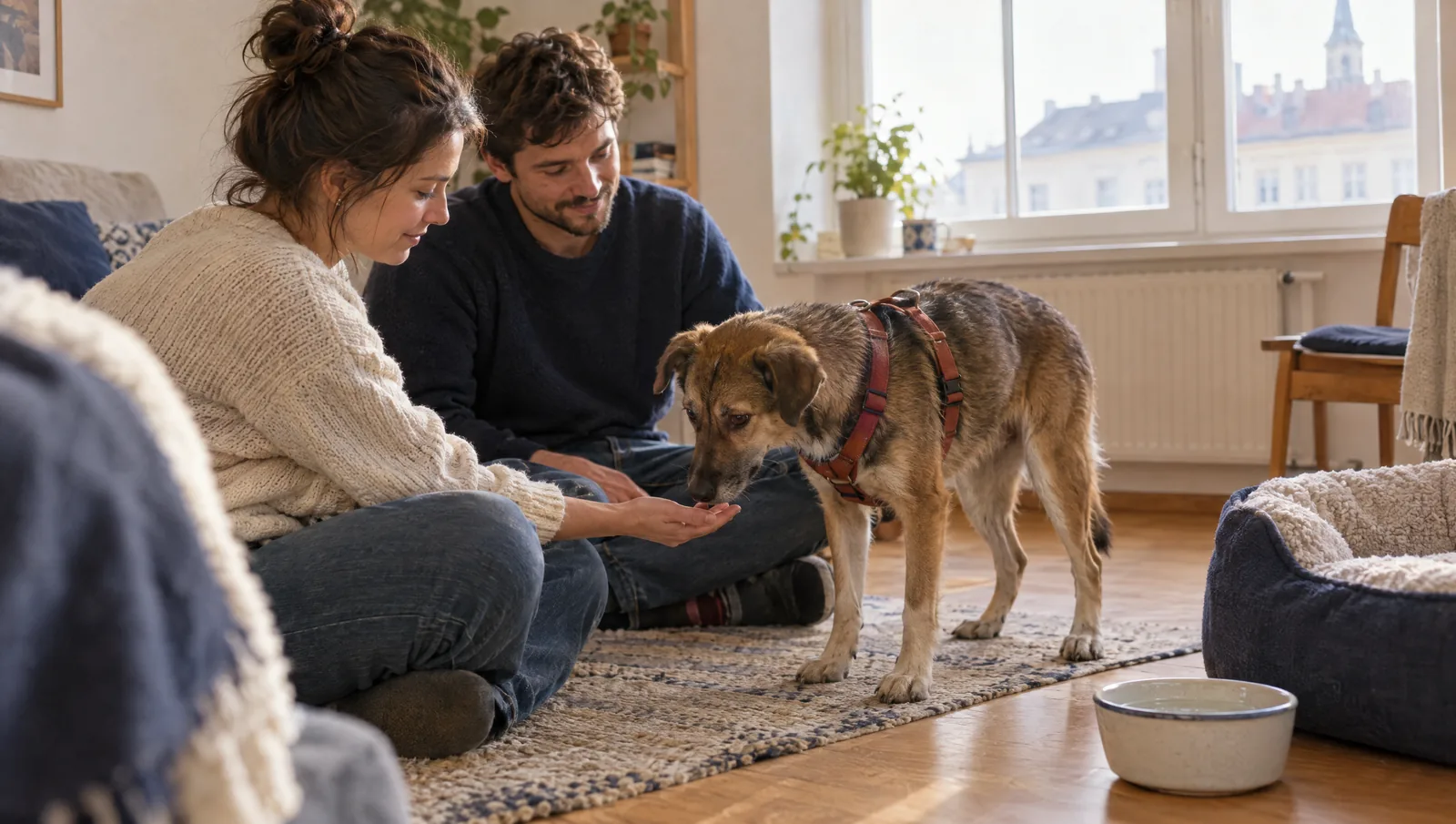
Image: AI-generated for Animal Helper Guide – for illustration.
- Settling in, not entertaining. The first week is not a programme: few visitors, short walks, fixed routines.
- Secure twice. A well-fitting safety harness and a lead you don't let go of – in a fenced garden too.
- House training is fine-tuning, not a discipline problem: out after eating, after sleeping, after playing. Punishment makes it worse.
- Switch food slowly – over at least a week, and over several for sensitive dogs.
- The 3-3-3 rule is a rule of thumb, not a timetable. Only its first part has a scientific basis.
The day you waited months for is rarely the day you imagined. The dog is standing in your flat, won't look at you, won't eat and hides behind the sofa. That isn't a bad sign. That's a dog that has just lost everything it knew.
The good news is in the numbers: in an Ohio State University study that followed 99 adopted dogs for six months, 93.7 % of owners rated their dog's behaviour as good or excellent at the end – and all of them said their dog had settled in. It just takes longer than most people think.
Settling in, not entertaining
The first week is not a programme, it's a pause. Everything you leave out now is time gained.
- Few visitors. Nobody has to meet the new dog on the first weekend.
- Short walks. A quiet turn around the block beats a hike in the woods.
- A retreat where nobody disturbs the dog – children included. If he withdraws there, he is to be left alone there.
- Fixed routines. Feeding, going out, resting – similar every day. Predictability is the first thing that builds trust.
- Let him come, don't fetch him. Fearful dogs in particular gain confidence when they decide for themselves when to come closer.
- No dog parks, no training classes, no trips into town in the first weeks.
What is normal in the first days
Hiding. Eating little or nothing. Being restless at night. Not responding to his name. Freezing when touched. None of it says anything about how the dog will be in three months.
Securing: the biggest danger of the first weeks
A dog that is startled and breaks loose is practically impossible to find again in an unfamiliar town. That is the risk that really defines the first weeks – bigger than any training question.
There is no figure for it; this is experience from rescue work, not a body of studies. What is documented is that the early period means stress for the dog: cortisol levels can still change months after adoption. And a stressed dog reacts to a bang differently from the calm dog in the photo.
How to secure things:
- A safety harness rather than a collar alone. It has to fit so the dog can't slip out – try that indoors before you go out of the door.
- Secure twice. Two connections – harness and collar, each with a lead – are not distrust, they are insurance.
- No retractable lead. With a dog you don't know yet it gives you no control.
- On the lead in the garden too, until you know what your dog can do. Fences are routinely underestimated.
- Secure doors and gates. Most dogs slip away on arrival, at the door when a parcel comes, or getting out of the car.
- Microchip and a tag on the collar with your number – from day one.
A chip is not the same as registered
In Austria dogs must be microchipped and registered in the official pet database. At the first vet visit, have the chip read and check that it is registered to you. A chip with outdated data is no help in an emergency.
House training
Many rescue dogs have never known a home. Some have lived on concrete for years, others in a kennel where they had no choice but to relieve themselves where they slept.
The MSD Veterinary Manual therefore describes house training in an adult dog not as a discipline problem but as fine-tuning: it's about guiding the dog to a suitable place. That means:
- Out 15–30 minutes after eating, and after waking, after playing and when the dog slows down.
- Frequent trips – better one too many.
- Supervision whenever the dog is indoors. What you don't see, you can't guide.
- Praise in the right place, immediately.
- Clean accidents thoroughly, so the smell doesn't become an invitation.
- No punishment. It doesn't help and makes the behaviour worse in anxious dogs – and in the first weeks, that's exactly what these dogs are.
If a dog suddenly soils indoors again, drinks a lot or shows pain when relieving itself, medical causes come first. The manual puts that explicitly at the beginning.
Switching food
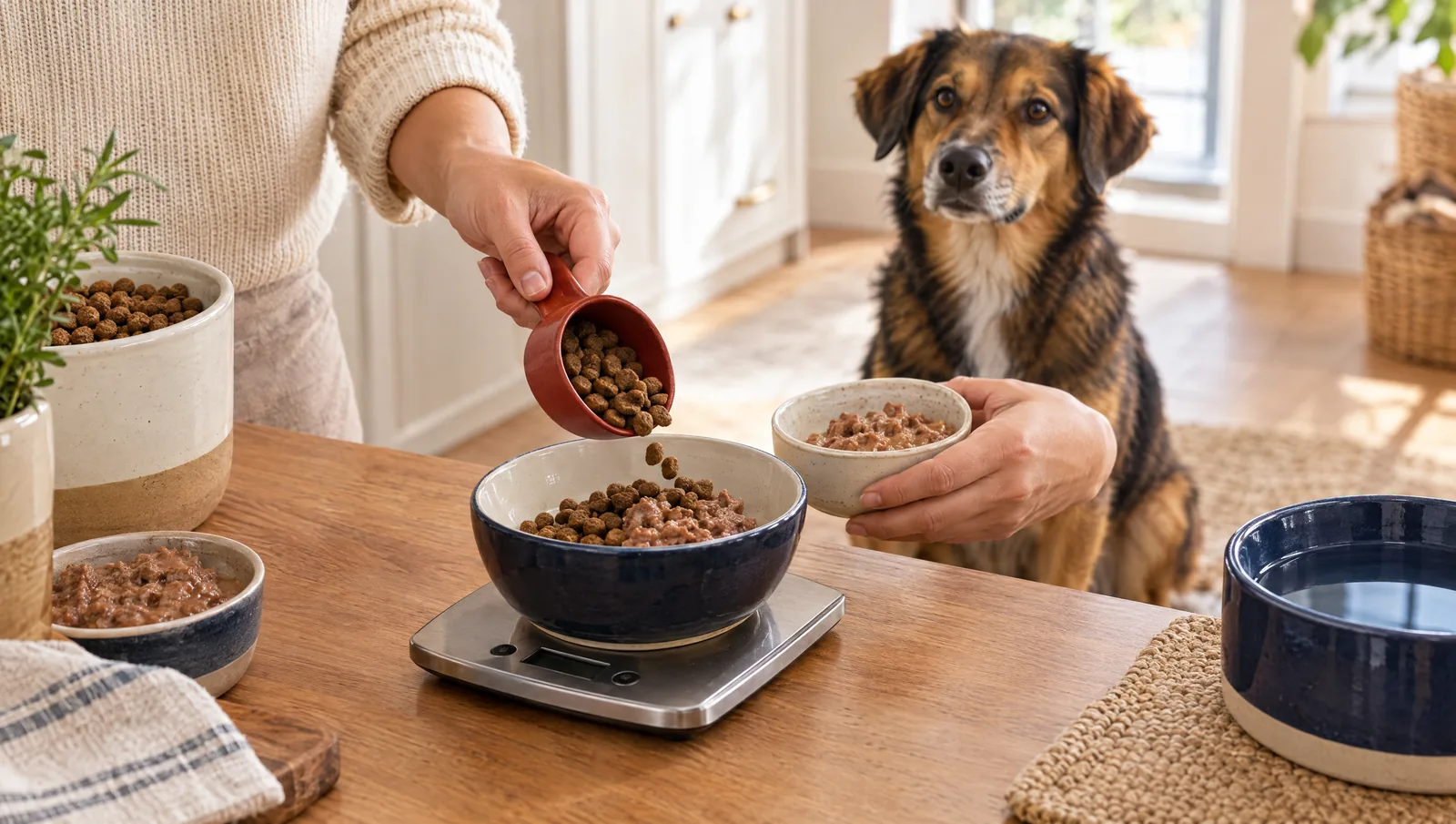
Changing the food on day one is one of the most common avoidable mistakes: the dog is under stress anyway, and diarrhoea is the last thing either of you needs. So ask before arrival what the dog has been fed, and get a supply of it.
Switching food in 7 days
The recommendation from the Tufts veterinary school is to switch gradually over at least a week – some animals need four to six weeks. If the stools soften, you stay on the same step one or two days longer instead of moving on.
With severely emaciated dogs
A starved dog must not simply be given large amounts. In refeeding syndrome, fluid and electrolytes shift, and that can be fatal. Small portions, easily digestible food – and to the vet as soon as possible for blood work. More on this in How to feed dogs and cats.
The first vet visit
Plan it for the first week – not as an emergency, but as an introduction. A calm first visit without treatment saves you a lot later.
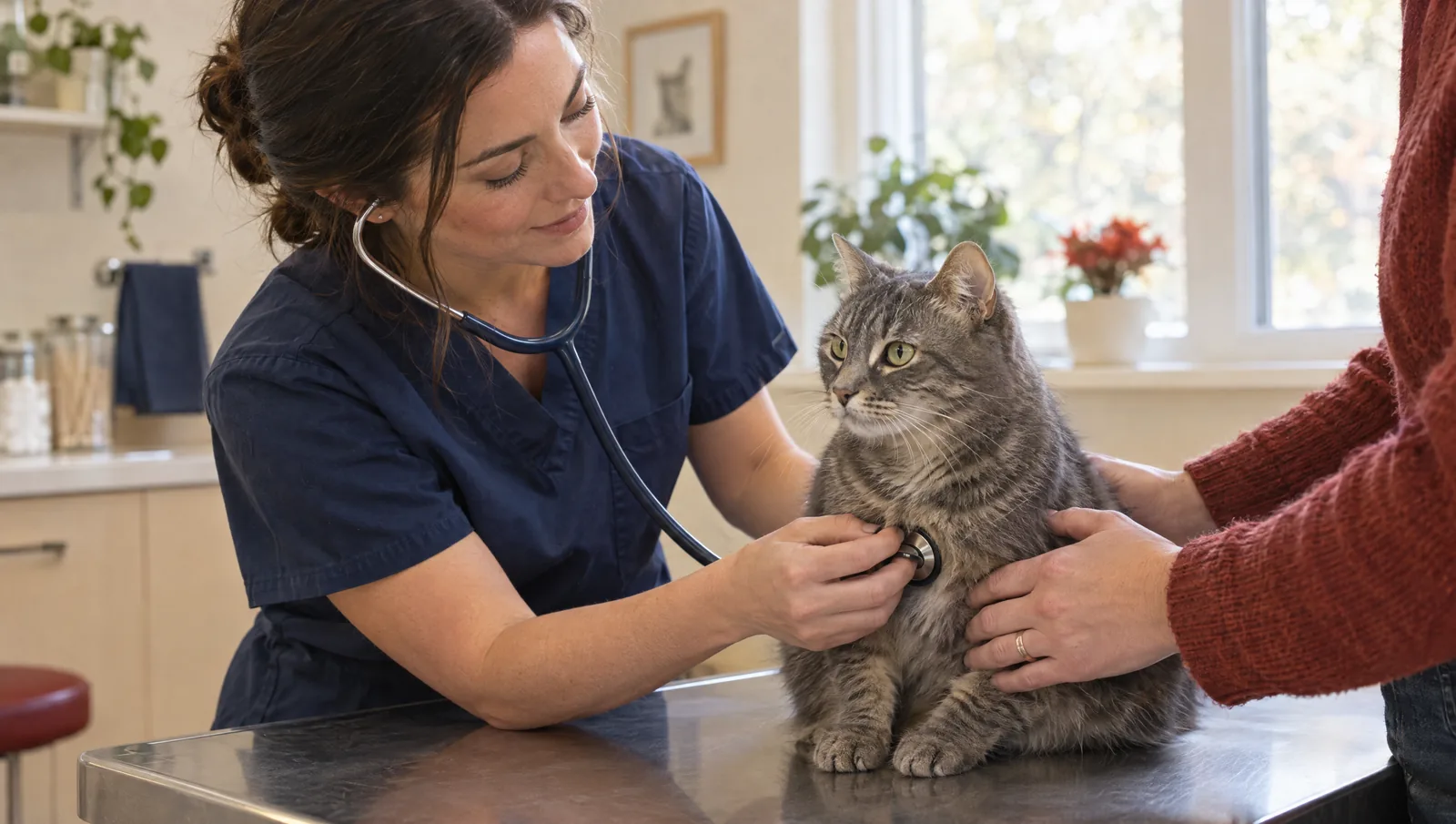
What belongs on the list:
- Read the chip and check the registration
- Go through the vaccination record and EU pet passport: what is covered, what is missing, when are boosters due?
- Parasites: faecal sample, worming, protection against ticks and sandflies
- A testing plan for Mediterranean diseases. Important: a negative test on arrival is not enough. The parasite experts at ESCCAP recommend repeating negative tests for Leishmania and heartworm after six months and combining direct detection with antibody testing.
- Weight and body condition as a starting point
- Neutering status clarified
Everything about origin, travel rules and tests is covered in detail in Adopting a rescue dog from Romania: what you need to know. How to tell that a visit can't wait is in Dog or cat not eating: when to see a vet.
What the 3-3-3 rule is worth – and what it isn't
Nearly every adoption guide quotes it: three days to arrive, three weeks to settle, three months to trust. It is useful – but not in the way it is usually used.
What is documented: the first part. Cortisol, the stress hormone, rises when a dog moves into a new environment and returns to normal within a few days. That is exactly what Kyle Bohland of Ohio State University says; he led the most thorough study on it to date.
What is not documented: everything after that. On the three weeks and three months, Bohland says in so many words that they had "really no scientific basis". A British paper in the journal Animal Welfare (2025) likewise records that the figures common in guides – four to six weeks, or up to three months – are not supported by scientific evidence.
What the research shows instead: in the Ohio study, 99 dogs were assessed with a standardised questionnaire after 7, 30, 90 and 180 days. The result fits no rule of three:
| Appeared … | What changed |
|---|---|
| at every time point | more reaction to strangers, more chasing, more difficulty with training |
| only at 90 and 180 days | more excitability, more touch sensitivity |
| only at 180 days | less separation distress, less clingy attachment |
So some things only become visible after the third month – and some only improve after half a year. In the British survey, over half of the 27 owners interviewed experienced the adjustment period as longer than four months.
The better rule of thumb
Take the 3-3-3 rule as a way to lower expectations, not as a timetable: don't expect the dog to be himself in the first days – and don't be alarmed if something new shows up in month four. That isn't deterioration; it's a dog who has found enough security to show himself.
When it gets difficult
Get help early, not when you're at the end of your rope:
- from the organisation that placed the dog – they know the history
- from a trainer experienced with fearful dogs who works without punishment
- from your vet, if behaviour and health might be connected
And if it still doesn't fit: contact your rescue organisation before you decide anything. In the Ohio study 7.1 % of the dogs went back to the shelter – that is no disgrace, and sometimes it is the right decision. That's what the return clause in the contract is for.
No dog yet, but you want to help?
The people in Romania, Bulgaria, Hungary and Turkey who take these dogs off the street mostly work alone and with their own money. Follow our WhatsApp channel and see what arrives – or support the work on the ground.
Frequently asked questions
Is the 3-3-3 rule true?
Only in part. The three days do have a basis: the stress hormone cortisol rises when a dog moves into a new environment and returns to normal within a few days. For the three weeks and three months there is no scientific basis, according to study lead Kyle Bohland (Ohio State University). In a survey of British owners, over half experienced the adjustment period as lasting longer than four months.
How long does settling in actually take?
It varies – and it takes longer than most guides suggest. A study at Ohio State University followed 99 adopted dogs over six months: some behaviours only changed at 90 and 180 days. By the end, though, every owner said their dog had settled in well.
My new dog isn't eating. Is that normal?
In the first days it's common – everything is new, and stress affects appetite. But if your dog eats nothing at all beyond a day, seems listless, vomits or has diarrhoea, call the vet. How to recognise an emergency is in our guide "Dog or cat not eating: when to see a vet".
Can I take the dog straight to a training class or dog park?
Better not. In the first weeks every extra source of stimulation causes more setback than progress. Short, quiet walks in familiar surroundings do more than encounters the dog can't yet make sense of.
He isn't house trained even though he's an adult. What now?
First have medical causes ruled out, then treat it as fine-tuning: out regularly and at the right moments, constant supervision, clean accidents thoroughly, praise in the right place. According to the MSD Veterinary Manual punishment does not help and makes the behaviour worse in anxious dogs.
When do I have to register the dog in Austria?
Dogs must be microchipped and registered in the official pet database. Check right at the start that the chip really is registered to you – a chip that can be read is no use if the register still holds the previous data.
What if it doesn't work out?
Then contact your rescue organisation before you decide anything. Often a conversation or an experienced trainer helps. In the Ohio study 7.1 % of the dogs went back to the shelter – a reputable organisation takes its animal back and finds a better match with you.
Sources
- Bohland KR et al. (2023): Shelter dog behavior after adoption – C-BARQ over six months, PLOS ONE 18(8)
- Ohio State News (2023): What to expect when you adopt a shelter pet
- Moyer BJ et al. (2025): A qualitative exploration of owner experiences following dog adoption, Animal Welfare 34:e9
- MSD/Merck Veterinary Manual – Behavior Problems of Dogs
- MSD/Merck Veterinary Manual – Feeding Practices in Small Animals
- Tufts Petfoodology (Cummings School of Veterinary Medicine) – How do I switch my pet's food?
- ESCCAP Germany – Dogs from abroad: which tests make sense? (in German)
- oesterreich.gv.at – Microchipping and registration of dogs (§ 24a Animal Protection Act, in German)
- Official Austrian pet database (Heimtierdatenbank)
- AVMA – Cold weather animal safety (collar, microchip, lost pets)